
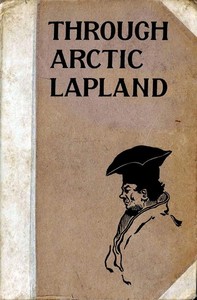
Through Arctic Lapland
Written by Charles John Cutcliffe Wright Hyne
Chaptra reads alongside you — AI insights, chapter breakdowns and reader discussions for every book. Join free
About this book
Reading guide
Themes, characters and key ideas in Through Arctic Lapland, written by Chaptra AI.
- about 8 hours
- intermediate
- adventurous
- exploratory
- challenging
Cutcliffe Hyne's "Through Arctic Lapland" is a late 19th-century travel narrative chronicling the author's ambitious expedition with his friend, Mr. Cecil Hayter, into the remote Arctic Lapland. Beginning with an enthusiastic departure from London aboard the barque "Windward," the journey quickly transitions from naïve excitement to a rugged encounter with the Arctic's unforgiving realities. The book details their challenges, observations of the unique landscapes, and interactions with the indigenous Lapp people, providing a vivid snapshot of exploration and cultural encounter during a period of burgeoning geographical interest. It serves as both an adventure story and a historical document of a lesser-known corner of the world.
“"The cheers from the crowd on Katherine Dock seemed to carry us across the very threshold of the known world, into the vast, beckoning unknown."”
Key themes
- Exploration and Discovery
- This theme drives the entire narrative, focusing on the human desire to venture into unknown territories, uncover new knowledge, and experience the world beyond familiar borders. It encompasses both geographical discovery and the personal insights gained through such endeavors.
- Man vs. Nature
- This theme explores the formidable challenges posed by the Arctic environment and the resilience required to survive and navigate it. It highlights nature's indifference to human plans and the necessity of adaptation, humility, and respect for the natural world.
- Cultural Encounter and Colonialism
- This theme examines the interaction between the Victorian explorers and the indigenous Lapp people. It explores the dynamics of cultural exchange, the potential for misunderstanding, and the prevailing colonial attitudes of the late 19th century, where 'discovery' often implied a hierarchical relationship.
Worth discussing
How does the author's initial 'naïve enthusiasm' evolve throughout the journey, and what specific events contribute to this transformation?
Chapter-by-chapter breakdowns, character arcs and the full thematic analysis come with a free account.
Discussions
No one has started one yet
Questions this book opens up
No discussions yet
Be the first to start a discussion about this book!
Sign up to start the discussionReviews
No reviews yet
Be the first to review this book!