
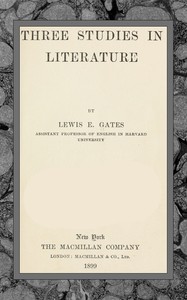
Three studies in literature
Written by Lewis E. (Lewis Edwards) Gates
Chaptra reads alongside you — AI insights, chapter breakdowns and reader discussions for every book. Join free
About this book
Reading guide
Themes, characters and key ideas in Three studies in literature, written by Chaptra AI.
- about 10 hours
- advanced
- analytical
- scholarly
- introspective
Lewis E. Gates's "Three Studies in Literature" offers a late 19th-century critical examination of three influential literary figures: Francis Jeffrey, John Henry Newman, and Matthew Arnold. The collection delves into their distinct critical styles, intellectual contributions, and fluctuating reputations within the literary landscape. Gates meticulously analyzes how these critics shaped public opinion and literary discourse, beginning with Jeffrey's complex legacy and his role in the 'Edinburgh Review'. This work serves as an insightful exploration of 19th-century literary criticism, highlighting the enduring impact and diverse approaches of these pivotal intellectual voices.
“Jeffrey's critical prowess, though undeniable, often wrestled with the ephemeral nature of public opinion, a tension Gates meticulously unravels.”
Key themes
- The Nature of Literary Criticism
- The book fundamentally explores what constitutes effective and lasting literary criticism. Gates delves into the methodologies, biases, and intellectual frameworks employed by Jeffrey, Newman, and Arnold, examining how their individual approaches shaped their insights and influence. It's a meta-critique on the act of judgment itself.
- Reputation and Legacy
- Gates meticulously investigates how the reputations of these critics have waxed and waned over time, particularly highlighting Jeffrey's initial prominence and subsequent fading from scholarly attention. This theme examines the factors that contribute to a critic's enduring legacy versus temporary fame.
- Influence on Public Opinion and Literary Discourse
- The book explores the power of critics to shape not just literary understanding but also broader cultural and intellectual currents. It examines how figures like Jeffrey, Newman, and Arnold didn't just review books but actively engaged in shaping the intellectual climate of their time.
Worth discussing
How does Gates's analysis of Francis Jeffrey's fluctuating reputation reflect broader trends in the longevity of critical influence?
Chapter-by-chapter breakdowns, character arcs and the full thematic analysis come with a free account.
Discussions
No one has started one yet
Questions this book opens up
No discussions yet
Be the first to start a discussion about this book!
Sign up to start the discussionReviews
No reviews yet
Be the first to review this book!