
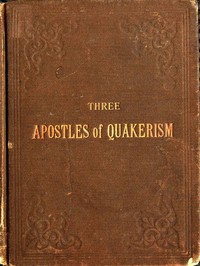
Three Apostles of Quakerism: Popular Sketches of Fox, Penn and Barclay
Written by Benjamin Rhodes
Chaptra reads alongside you — AI insights, chapter breakdowns and reader discussions for every book. Join free
About this book
Reading guide
Themes, characters and key ideas in Three Apostles of Quakerism: Popular Sketches of Fox, Penn and Barclay, written by Chaptra AI.
- about 8 hours
- intermediate
- Informative
- Reverent
- Historical
Benjamin Rhodes's "Three Apostles of Quakerism" offers late 19th-century biographical sketches of George Fox, William Penn, and Robert Barclay, the foundational figures of the Society of Friends. The book aims to make early Quaker history and its spiritual principles accessible to a popular audience, reflecting Rhodes's deep admiration for these leaders. It details Fox's impassioned evangelism and trials, Penn's diplomatic efforts and role in founding Pennsylvania, and Barclay's theological contributions. Through these accounts, Rhodes illuminates the unique spiritual journey of Quakerism, emphasizing its rejection of formalism and embrace of direct communion with God, and highlighting the combined legacies of these three men.
“"In the lives of Fox, Penn, and Barclay, we find not merely the chronicle of a sect, but the living testament to a spiritual revolution that dared to challenge the very foundations of accepted faith and power."”
Key themes
- Spiritual Awakening and Inner Light
- This theme explores the core Quaker belief in direct, unmediated communion with God and the presence of divine truth (the 'Inner Light') within every individual. It highlights the rejection of external religious authority and rituals in favor of personal spiritual experience.
- Religious Freedom and Persecution
- The book extensively covers the struggles of early Quakers to practice their faith freely in a hostile environment, detailing the persecution they faced and their unwavering commitment to freedom of conscience. It explores the societal and political implications of dissenting from established norms.
- Social Reform and Peacemaking
- This theme highlights how Quaker spiritual principles translated into active efforts for social justice, equality, and peace. It demonstrates the practical application of their faith in shaping a more just and humane society.
Worth discussing
How does Rhodes's late 19th-century perspective influence his portrayal of these 17th-century figures?
Chapter-by-chapter breakdowns, character arcs and the full thematic analysis come with a free account.
Discussions
No one has started one yet
Questions this book opens up
No discussions yet
Be the first to start a discussion about this book!
Sign up to start the discussionReviews
No reviews yet
Be the first to review this book!