
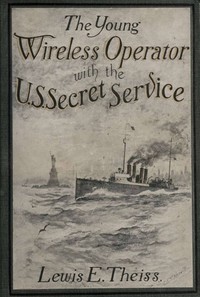
The Young Wireless Operator—With the U. S. Secret Service: Winning his way in the Secret Service
Written by Lewis E. (Lewis Edwin) Theiss
Chaptra reads alongside you — AI insights, chapter breakdowns and reader discussions for every book. Join free
About this book
Reading guide
Themes, characters and key ideas in The Young Wireless Operator—With the U. S. Secret Service: Winning his way in the Secret Service, written by Chaptra AI.
- about 7 hours
- beginner
- exciting
- adventurous
- wholesome
Lewis E. Theiss's "The Young Wireless Operator—With the U. S. Secret Service" is an early 20th-century adventure novel that chronicles the thrilling escapades of Roy Mercer, a young wireless operator, and his aspiring Secret Service friend, Willie Brown. Set against the vibrant backdrop of bustling New York, the story begins with Roy awaiting Willie's arrival by steamer, quickly transitioning into Willie's ardent desire to join the Secret Service despite his perceived physical limitations. Their paths soon intertwine with Agent Sheridan, leading the duo into a series of exciting detective activities focused on dismantling a cunning wool-smuggling ring. The narrative masterfully blends youthful ingenuity, the bonds of friendship, and the patriotic excitement of crime detection, showcasing the era's fascination with technology and national service.
“"A wireless operator, Willie, is more than just a man with a key; he's the ears and voice of the ship, sometimes even the eyes of justice."”
Key themes
- Duty and Patriotism
- The book heavily emphasizes the importance of serving one's country and upholding the law. Willie's aspiration to join the Secret Service and Roy's willingness to use his skills for national security highlight a strong sense of civic responsibility and patriotism, characteristic of early 20th-century juvenile fiction.
- Ingenuity and Problem-Solving
- The narrative celebrates the power of intellect, cleverness, and resourceful thinking in overcoming challenges. Both Roy and Willie demonstrate keen observational skills and the ability to think critically and adapt to difficult situations, often using their wits to outsmart criminals.
- Justice and Crime Detection
- The central conflict of the book revolves around uncovering and dismantling a criminal enterprise. The narrative presents a clear moral framework where illegal activities are to be exposed and punished, reinforcing the idea of a just society and the satisfaction of seeing wrongdoers brought to account.
Worth discussing
How does the book portray the role of technology, specifically wireless communication, in crime detection during the early 20th century?
Chapter-by-chapter breakdowns, character arcs and the full thematic analysis come with a free account.
Discussions
No one has started one yet
Questions this book opens up
No discussions yet
Be the first to start a discussion about this book!
Sign up to start the discussionReviews
No reviews yet
Be the first to review this book!