
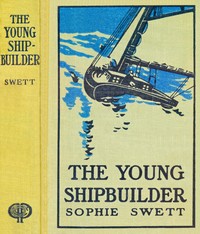
The young ship builder
Written by Sophie Swett
Chaptra reads alongside you — AI insights, chapter breakdowns and reader discussions for every book. Join free
About this book
Reading guide
Themes, characters and key ideas in The young ship builder, written by Chaptra AI.
- about 8 hours
- intermediate
- earnest
- reflective
- melancholy
Sophie Swett's early 20th-century novel, "The Young Ship Builder," chronicles the struggles of the Dill family on Groundnut Hill, particularly after the mother's return with two new half-siblings, Estelle and David. Narrated by elder sister Bathsheba, the story primarily focuses on her brother Cyrus, whose dreams of a ministry career are jeopardized by the unexpected responsibilities of his expanded family. The narrative explores the emotional complexities of integrating perceived 'alien' family members, the burden of sacrifice placed on Cyrus, and the evolving dynamics within the household. It delves into themes of duty versus personal aspiration, sibling relationships, and the inherent challenges of navigating a blended family in a time when such arrangements carried significant social and financial weight, setting the stage for deep personal and familial conflicts.
“The roar of the sea called to Cyrus, but the cries of his new siblings bound him to the hearth.”
Key themes
- Family Duty vs. Personal Aspiration
- This is the central theme, explored primarily through Cyrus's struggle. His dream of a ministry is directly challenged and potentially overridden by the immediate and pressing needs of his expanded family, highlighting the societal expectations of children (especially elder sons) to contribute to the family's welfare, often at great personal cost. The theme questions where one's primary loyalty lies and the emotional toll of such a conflict.
- The Blended Family and Sibling Dynamics
- The novel delves into the complexities of integrating new family members, particularly how the original children perceive and react to their new half-siblings. The initial perception of Estelle and David as 'aliens' speaks to the challenges of acceptance, shifting loyalties, and the emotional adjustments required when family structures change. It explores both the potential for conflict and the eventual, often reluctant, formation of new bonds.
- Sacrifice and Resilience
- The narrative explores the theme of sacrifice, particularly through Cyrus's experience, but also implicitly through the mother's choices and the adjustments of the other siblings. It examines the emotional and practical costs of these sacrifices and highlights the resilience required to adapt to unforeseen circumstances and overcome adversity within the family unit. The characters must find strength in difficult situations.
Worth discussing
How does Bathsheba's narration shape our understanding of the Dill family's struggles and the 'alien' perception of Estelle and David?
Chapter-by-chapter breakdowns, character arcs and the full thematic analysis come with a free account.
Discussions
No one has started one yet
Questions this book opens up
No discussions yet
Be the first to start a discussion about this book!
Sign up to start the discussionReviews
No reviews yet
Be the first to review this book!