
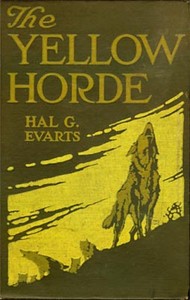
The Yellow Horde
Written by Hal G. (Hal George) Evarts
Chaptra reads alongside you — AI insights, chapter breakdowns and reader discussions for every book. Join free
About this book
Reading guide
Themes, characters and key ideas in The Yellow Horde, written by Chaptra AI.
- about 7 hours
- intermediate
- survivalist
- introspective
- wild
Hal G. Evarts's "The Yellow Horde" is an early 20th-century wilderness novel chronicling the life of Breed, a unique half-wolf, half-coyote creature. The story delves into Breed's arduous journey of survival and adaptation in the wild, exploring his internal conflict stemming from his dual heritage. Through his interactions with both his own kind and the human world, particularly the observant wolfer Collins, the narrative examines themes of identity, the intricate dynamics of animal behavior, and the perennial struggle between man and nature. Breed's cunning and instincts are constantly tested against both predatory kin and human hunters, painting a vivid picture of life in the untamed foothills.
“"The wild sounds of the foothills were a language Collins understood, a prophecy whispered on the wind of the coyote's enduring spirit."”
Key themes
- Survival and Adaptation
- This theme is central to the entire narrative, focusing on the relentless struggle for existence in the harsh wilderness. It explores how creatures like Breed must constantly hunt, evade predators, and adjust their behaviors to changing environments to endure. Adaptation is presented as not just physical, but also behavioral and strategic.
- Dual Identity and Belonging
- Explored through Breed's half-wolf, half-coyote heritage, this theme delves into the internal conflict of belonging to two worlds or inheriting conflicting instincts. It examines how one reconciles disparate parts of oneself to forge a unique identity and find a place within a community or ecosystem.
- Man vs. Nature
- This theme examines the often-antagonistic relationship between human civilization and the wild. It explores human attempts to control or eradicate wilderness and its inhabitants, contrasted with nature's inherent resilience and the wisdom of those, like Collins, who understand its enduring power.
Worth discussing
How does Breed's dual identity as half-wolf, half-coyote influence his decisions and survival strategies throughout the novel?
Chapter-by-chapter breakdowns, character arcs and the full thematic analysis come with a free account.
Discussions
No one has started one yet
Questions this book opens up
No discussions yet
Be the first to start a discussion about this book!
Sign up to start the discussionReviews
No reviews yet
Be the first to review this book!