
About this book
Reading guide
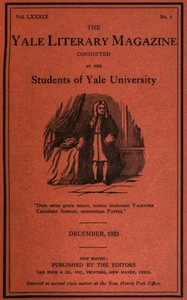
Themes, characters and key ideas in The Yale literary magazine (Vol. LXXXIX, No. 3, December 1923), written by Chaptra AI.
- about 8 hours
- intermediate
- Introspective
- Reflective
- Academic
The Yale Literary Magazine (Vol. LXXXIX, No. 3, December 1923) is a vibrant collection of student-authored literary works from early 20th-century Yale University. Edited by its students, this publication offers a unique glimpse into the intellectual and creative spirit of the era, featuring a diverse array of poetry, essays, and reflections. It captures the evolving thoughts of young scholars on contemporary themes, from personal introspection and the allure of nature to critiques of societal conformity and artistic values. Essentially, the magazine serves as a historical and literary capsule, showcasing emerging talents and their perspectives on life, love, and the cultural landscape of the 1920s.
“True thought blossoms in solitude, not in the echoing chambers of consensus, for the greatest danger lies not in dissent, but in the quiet surrender to the common mind.”
Key themes
- Individualism vs. Conformity
- This theme is centrally explored through essays, particularly by Walter Edwards Houghton, Jr., who critiques the dangers of conformist thinking. It examines the intellectual and personal struggle to maintain a unique identity and perspective against the pressures of societal or collegiate group norms, advocating for independent thought and the value of solitude for intellectual growth.
- Nature and Emotion
- Prominently featured in the poetic contributions, this theme explores the profound connection between the natural world and human feelings. Nature often serves as a backdrop or a mirror for emotional states, from romantic love and longing to introspection and melancholy. It highlights the beauty and solace found in the natural environment and its capacity to evoke deep personal responses.
- Collegiate Life and Intellectual Exploration
- As a product of Yale University students, this overarching theme captures the spirit of intellectual vigor, youthful idealism, and the unique environment of collegiate life in the early 20th century. It reflects the burgeoning talents and diverse thoughts of young scholars as they navigate their academic journeys and begin to form their worldviews.
Worth discussing
How does the concept of individualism, as explored by authors like Walter Edwards Houghton, Jr., resonate with or differ from contemporary understandings of individuality?
Chapter-by-chapter breakdowns, character arcs and the full thematic analysis come with a free account.
Discussions
No one has started one yet
Questions this book opens up
No discussions yet
Be the first to start a discussion about this book!
Sign up to start the discussionReviews
No reviews yet
Be the first to review this book!