
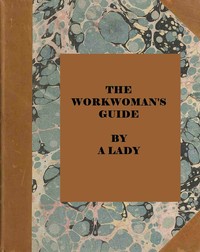
The workwoman's guide : $b containing instructions to the inexperienced in cutting out and completing those articles of wearing apparel, &c. which are ususally made at home : also, explanations on upholstery, straw-platting, bonnet-making, knitting, &c.
Written by Sarah Josepha Buell Hale
Chaptra reads alongside you — AI insights, chapter breakdowns and reader discussions for every book. Join free
About this book
Reading guide
Themes, characters and key ideas in The workwoman's guide : $b containing instructions to the inexperienced in cutting out and completing those articles of wearing apparel, &c. which are ususally made at home : also, explanations on upholstery, straw-platting, bonnet-making, knitting, &c., written by Chaptra AI.
- about 12 hours
- beginner
- instructive
- practical
- empowering
Sarah Josepha Buell Hale's "The Workwoman's Guide" is a seminal early 19th-century manual designed to equip inexperienced women with essential domestic textile skills. It meticulously details instructions for cutting, sewing, and completing various articles of wearing apparel, alongside sections on upholstery, straw-platting, bonnet-making, and knitting. The guide's preface articulates a philosophy centered on domestic efficiency and economic empowerment through self-sufficiency in garment creation and household crafts. Targeting young married women and those in roles requiring practical competence, the book serves as a comprehensive resource for enhancing women's domestic capabilities and fostering neatness and economy within the home.
“The object of this Guide is to furnish such instructions as will enable every woman, however inexperienced, to cut out and complete those articles of wearing apparel and household use, which are usually made at home.”
Key themes
- Domesticity and Home Management
- This is the overarching theme. The book meticulously details the skills necessary for efficient and elegant home management, particularly concerning textiles. It elevates domestic work from mere drudgery to a sphere requiring significant skill, intelligence, and foresight, essential for the comfort and reputation of the household.
- Female Skill and Empowerment
- Hale champions the idea that mastering practical skills like sewing, knitting, and upholstery is a form of empowerment for women. It grants them independence, confidence, and a tangible means to contribute to their family's welfare and social standing, moving beyond purely ornamental accomplishments.
- Economy and Frugality
- A core principle woven throughout the guide is the importance of managing household resources effectively. Making garments and household items at home is presented as a crucial way to save money, avoid waste, and ensure the family's economic stability, reflecting the practical realities of 19th-century life.
Worth discussing
How does 'The Workwoman's Guide' reflect the societal expectations and roles of women in the early 19th century?
Chapter-by-chapter breakdowns, character arcs and the full thematic analysis come with a free account.
Discussions
No one has started one yet
Questions this book opens up
No discussions yet
Be the first to start a discussion about this book!
Sign up to start the discussionReviews
No reviews yet
Be the first to review this book!