
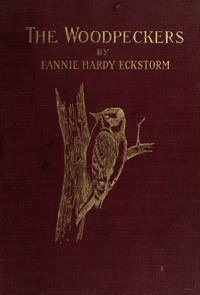
The Woodpeckers
Written by Fannie Hardy Eckstorm
Chaptra reads alongside you — AI insights, chapter breakdowns and reader discussions for every book. Join free
About this book
Reading guide
Themes, characters and key ideas in The Woodpeckers, written by Chaptra AI.
- about 8 hours
- intermediate
- informative
- observational
- educational
Fannie Hardy Eckstorm's "The Woodpeckers" is a late 19th-century natural history text dedicated to exploring the intricate lives of woodpeckers. The author frames nature as a series of riddles to be solved, aiming to demystify these unique birds for her readers. It serves as both an identification guide, detailing characteristics like silhouettes, colors, and behaviors, and an invitation to engage in closer observation. The initial chapters lay the groundwork by outlining key identifying traits such as their clinging posture, specialized bills, and feet, setting the stage for a comprehensive exploration of their ecological significance and fascinating habits.
“Nature, like the ancient Sphinx, presents us with a series of riddles, and it is through diligent observation that we begin to solve them, unraveling the mysteries of creatures like the fascinating woodpecker.”
Key themes
- Demystification and Accessibility of Science
- Eckstorm explicitly states her aim to 'demystify the world of woodpeckers,' suggesting a commitment to making scientific knowledge understandable and engaging for a broad audience. This theme reflects the popularization of natural history in the late 19th century, transforming what might seem obscure or complex into clear, practical knowledge.
- Observation and Discovery
- Eckstorm frames the entire book as an act of solving nature's riddles through careful observation. This theme emphasizes the importance of direct engagement with the natural world, urging readers to look beyond superficial appearances to understand the intricate details of avian life. It promotes a scientific mindset of inquiry and meticulous data gathering.
- Ecological Interconnectedness
- The book explores the 'roles within the ecosystem' that woodpeckers play, implicitly highlighting how each species contributes to the health and balance of its environment. This theme underscores the idea that no creature exists in isolation, but rather is part of a complex web of relationships with its habitat and other species.
Worth discussing
How does Eckstorm's opening metaphor of nature as 'riddles' influence the reader's approach to the subject matter?
Chapter-by-chapter breakdowns, character arcs and the full thematic analysis come with a free account.
Discussions
No one has started one yet
Questions this book opens up
No discussions yet
Be the first to start a discussion about this book!
Sign up to start the discussionReviews
No reviews yet
Be the first to review this book!