
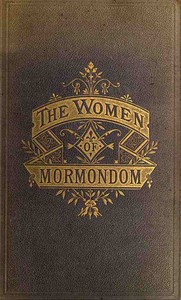
The Women of Mormondom
Written by Edward W. (Edward William) Tullidge
Chaptra reads alongside you — AI insights, chapter breakdowns and reader discussions for every book. Join free
About this book
Reading guide
Themes, characters and key ideas in The Women of Mormondom, written by Chaptra AI.
- about 12 hours
- advanced
- historical
- advocacy
- reverent
Edward W. Tullidge's "The Women of Mormondom" is a late 19th-century historical account dedicated to elevating the often-misunderstood narratives of women within the early Mormon faith. The book serves as an impassioned advocacy, aiming to correct negative portrayals by emphasizing their significant contributions, resilience, and spiritual leadership in establishing the religion. Through a series of individual accounts and thematic explorations, Tullidge highlights the persecution these women endured and champions their dignity and unwavering faith. He specifically appeals to American women to approach these stories with empathy and a sense of righteousness, framing the Mormon women as pioneers and foundational figures. Ultimately, the work seeks to cement their legacy as integral to the development and survival of the Mormon community.
“Let the women of America, with hearts unclouded by prejudice, listen to the narratives of these much-maligned sisters.”
Key themes
- Persecution and Resilience
- This is a foundational theme, explicitly mentioned in the book's opening. Tullidge consistently highlights the severe persecution faced by Mormon women, from societal ostracization and legal challenges to physical displacement and violence. The theme explores how these women not only endured but also found strength and unwavering resolve in the face of such adversity, positioning their resilience as a testament to their faith and character.
- Dignity and Mischaracterization
- Tullidge's primary motivation for writing the book was to counteract the negative and often sensationalized portrayals of Mormon women in 19th-century media. This theme explores the struggle of these women to maintain and reclaim their dignity against widespread mischaracterization, particularly concerning practices like polygamy. The book aims to present their lives from a 'righteous' perspective, emphasizing their virtue, intelligence, and moral fortitude.
- Women's Role in Religious Foundation
- The book fundamentally argues for the essential and active role of women in establishing and sustaining the Mormon faith. Tullidge portrays them not as passive recipients of religious doctrine but as active participants, spiritual leaders, and the very heart of the community. This theme highlights their contributions beyond traditional domestic spheres, including their spiritual insights, organizational skills, and unwavering support for the religious movement.
Worth discussing
How does Tullidge's purpose as an advocate influence the way he portrays Mormon women? What are the strengths and weaknesses of this approach?
Chapter-by-chapter breakdowns, character arcs and the full thematic analysis come with a free account.
Discussions
No one has started one yet
Questions this book opens up
No discussions yet
Be the first to start a discussion about this book!
Sign up to start the discussionReviews
No reviews yet
Be the first to review this book!