
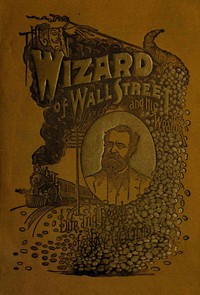
The Wizard of Wall Street and His Wealth; or, The Life and Deeds of Jay Gould
Written by Trumbull White
Chaptra reads alongside you — AI insights, chapter breakdowns and reader discussions for every book. Join free
About this book
Reading guide
Themes, characters and key ideas in The Wizard of Wall Street and His Wealth; or, The Life and Deeds of Jay Gould, written by Chaptra AI.
- about 12 hours
- intermediate
- historical
- informative
- analytical
Trumbull White's "The Wizard of Wall Street and His Wealth" offers a late 19th-century historical account of Jay Gould, one of America's most controversial and wealthy financiers. The biography traces Gould's remarkable journey from humble beginnings to unprecedented financial power, exploring his daring and often ethically questioned business strategies. It delves into the significant events that defined his career, presenting him as a figure of immense ambition and relentless drive who amassed a fortune unrivaled by his contemporaries. The book serves as both a chronicle of his life and a look into the cutthroat world of Gilded Age finance, making it a valuable resource for understanding a pivotal era in American economic history.
“Specific memorable quotes are not available without the full text. However, they would likely include Gould's business philosophies, observations on wealth and power, or contemporary opinions (both positive and negative) about him from rivals, the press, or the public.”
Key themes
- Ambition and the Pursuit of Wealth
- The book extensively explores Jay Gould's relentless ambition as the driving force behind his extraordinary rise. It examines how his desire for wealth and power fueled his daring financial strategies and his willingness to take immense risks, often pushing the boundaries of ethical conduct. This theme highlights the intoxicating allure of fortune in the post-Civil War American landscape.
- Ethics in Business and Capitalism
- A central theme is the examination of business ethics during the Gilded Age, particularly through Gould's controversial methods. The book implicitly or explicitly questions the morality of practices like stock watering, market manipulation, and the ruthless exploitation of legal loopholes, contrasting the pursuit of profit with societal well-being and fair play. Gould becomes a symbol of the era's 'robber baron' mentality.
- Power and Control
- This theme examines the acquisition, exercise, and consequences of immense economic and political power. Gould's career is a case study in how an individual can leverage financial acumen to gain control over vital industries (like railroads and telegraphs), influence government, and shape the economic landscape of a nation. It showcases the concentration of power in the hands of a few 'captains of industry' during the Gilded Age.
Worth discussing
How does the book portray the ethics of capitalism during the Gilded Age through Jay Gould's actions?
Chapter-by-chapter breakdowns, character arcs and the full thematic analysis come with a free account.
Discussions
No one has started one yet
Questions this book opens up
No discussions yet
Be the first to start a discussion about this book!
Sign up to start the discussionReviews
No reviews yet
Be the first to review this book!