
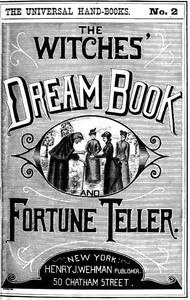
The Witches' Dream Book; and Fortune Teller: Embracing full and correct rules of divination concerning dreams and visions, foretelling of future events, their scientific application to physiognomy, palmistry, moles, cards, &c.; together with the application and observance of talismen charms, spells and incantations.
Written by A. H. Noe
Chaptra reads alongside you — AI insights, chapter breakdowns and reader discussions for every book. Join free
About this book
Reading guide
Themes, characters and key ideas in The Witches' Dream Book; and Fortune Teller: Embracing full and correct rules of divination concerning dreams and visions, foretelling of future events, their scientific application to physiognomy, palmistry, moles, cards, &c.; together with the application and observance of talismen charms, spells and incantations., written by Chaptra AI.
- about 12 hours
- intermediate
- mysterious
- instructive
- esoteric
A. H. Noe's "The Witches' Dream Book; and Fortune Teller" is a late 19th-century compendium offering extensive guidance on dream interpretation and various methods of divination. It aims to empower readers by providing symbolic meanings for dreams, insights into future events, and practical applications of mystical arts. The manual covers a wide array of topics including physiognomy, palmistry, and the use of charms and spells, positioning itself as a comprehensive resource for understanding the unseen forces influencing personal destiny. While emphasizing the significance of dreams as indicators, the preface prudently advises against absolute belief, framing the book as a tool for informed foresight rather than blind superstition. This work stands as a fascinating artifact of popular occultism, reflecting societal interests in the mystical during its era.
“Dreams are significant indicators that can influence personal lives, yet caution must be exercised against placing blind faith in every dream's meaning.”
Key themes
- Interpretation of the Unseen
- This theme is central to the entire book, focusing on the human desire and perceived ability to decode hidden meanings in dreams, physical features, and omens. It explores the idea that the universe communicates through symbols and that these communications can be understood and utilized for personal guidance and foresight. The book provides a systematic framework for translating these 'unseen' messages into actionable insights.
- Human Desire for Control and Foresight
- The book fundamentally caters to the inherent human wish to gain some measure of control over an uncertain future and to anticipate upcoming events. By offering tools for divination, it promises readers the ability to prepare for challenges, seize opportunities, and navigate life with greater confidence. This theme underscores the psychological comfort derived from believing one can understand or even influence destiny.
- Popular Occultism and Esoteric Knowledge
- The book serves as a prime example of popular occultism in the late 19th century, demonstrating how esoteric knowledge was packaged and disseminated for a mass audience. It reflects a period where mystical practices, often previously confined to secret societies or oral traditions, became commercialized and accessible. This theme explores the commodification and popularization of what was once considered hidden or specialized knowledge.
Worth discussing
How does 'The Witches' Dream Book' reflect the cultural anxieties and curiosities of the late 19th century regarding the unknown and the future?
Chapter-by-chapter breakdowns, character arcs and the full thematic analysis come with a free account.
Discussions
No one has started one yet
Questions this book opens up
No discussions yet
Be the first to start a discussion about this book!
Sign up to start the discussionReviews
No reviews yet
Be the first to review this book!