
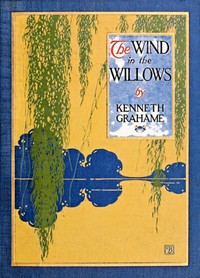
The Wind in the Willows
Written by Kenneth Grahame
Chaptra reads alongside you — AI insights, chapter breakdowns and reader discussions for every book. Join free
About this book
Read it with a club
Chaptra's fiction clubs — small groups reading the same books and talking as they go.


CraxMe Readers Book Club
Fiction
- 385 members
- 227 discussions
- Started December 2025
Welcome to the Readers Book Club. This is an informal group for like-minded people, where you can discuss books, share and recommend, track your reading progress, and lots more. Discuss Books — all about books. Discuss a particular book or genre, share your favourite quotes. Book Reviews — loved a book and highly recommend it? Or was it just average? Share your review and discuss with fellow readers. (May contain spoilers.) Group Reads — what is a book club without a group read! Buddy Reads — planning to read a book and looking for someone to read it with? Post in the Buddy Read request thread, find a reading buddy, and start discussing.
Read The Wind in the Willows alongside people who are reading it too.
Also here: Doorstops, First Lines Club
Chaptra Prime — paid clubs, every club feature, and unlimited reading support, for $5 a month or $60 once.
See PrimeReading guide
Themes, characters and key ideas in The Wind in the Willows, written by Chaptra AI.
- about 8 hours
- intermediate
- whimsical
- pastoral
- adventurous
Kenneth Grahame's 'The Wind in the Willows' is a beloved classic that chronicles the adventures of four anthropomorphic animal friends – the kind-hearted Mole, the poetic Rat, the boisterous Mr. Toad, and the wise Badger – living in the English countryside. The story primarily follows Mole's discovery of riverside life and the group's efforts to curb Mr. Toad's reckless obsessions, particularly his infatuation with motorcars, which leads to his imprisonment and a dramatic quest to reclaim his ancestral home, Toad Hall. It's a charming tale celebrating friendship, the beauty of nature, and the comforts of home, imbued with gentle humor and timeless wisdom. The narrative balances idyllic pastoral scenes with thrilling escapades, ultimately emphasizing the enduring bonds between its eccentric characters.
“Believe me, my young friend, there is *nothing* -- absolutely nothing -- half so much worth doing as simply messing about in boats.”
Key themes
- The Idyllic Nature of the English Countryside / Pastoral Life
- The book deeply romanticizes the natural world, particularly the English riverbanks and countryside. It celebrates the simple pleasures of rural life, emphasizing tranquility, beauty, and a sense of timelessness, often contrasting it with the fleeting allure of modern innovations.
- Friendship and Loyalty
- The unwavering bond between Mole, Rat, Badger, and even the exasperating Toad, forms the emotional core of the novel. Their loyalty to each other, despite Toad's flaws, drives much of the plot, particularly in their efforts to reform him and reclaim his home.
- Home and Belonging
- The concept of 'home' is central, explored through Mole's search for a place to belong, Rat's contentment with his riverside dwelling, and Toad's eventual appreciation for his ancestral home after losing and regaining it. It represents security, comfort, and identity.
Worth discussing
How does Grahame use anthropomorphism to explore human nature and societal norms?
Chapter-by-chapter breakdowns, character arcs and the full thematic analysis come with a free account.
Discussions
No one has started one yet
Questions this book opens up
No discussions yet
Be the first to start a discussion about this book!
Sign up to start the discussionReviews
No reviews yet
Be the first to review this book!