
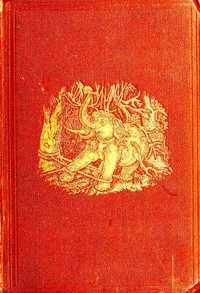
The Wild Elephant and the Method of Capturing and Taming it in Ceylon
Written by James Emerson Tennent
Chaptra reads alongside you — AI insights, chapter breakdowns and reader discussions for every book. Join free
About this book
Reading guide
Themes, characters and key ideas in The Wild Elephant and the Method of Capturing and Taming it in Ceylon, written by Chaptra AI.
- about 8 hours
- advanced
- informative
- observational
- authoritative
Sir J. Emerson Tennent's "The Wild Elephant and the Method of Capturing and Taming it in Ceylon" is a late 19th-century scientific treatise offering a detailed exploration of Ceylonese elephants. The work meticulously documents their physical characteristics, social behaviors, and ecological significance, drawing heavily on the author's personal observations during his time in Ceylon. Beyond natural history, the book delves into the historical and contemporary methods employed for capturing and domesticating these majestic creatures, supported by empirical research and anecdotal evidence. Tennent's analysis also touches upon the declining elephant populations due to human activities, foreshadowing early concerns for conservation, while providing a valuable historical record of human-elephant interaction in the region.
“The vast plains of Ceylon, once teeming with these magnificent creatures, now bear witness to their slow but undeniable retreat before the encroaching tide of human enterprise.”
Key themes
- Human-Animal Relationship and Domestication
- This is a core theme, exploring the intricate and often fraught relationship between humans and wild elephants. The book details the human drive to capture, control, and utilize these powerful animals for labor and spectacle, examining the methods and consequences of domestication. It highlights the tension between admiration for the elephant's natural majesty and the practical need or desire to bend it to human will.
- The Natural World and Ecology of Ceylon
- Tennent provides a detailed and appreciative account of the Ceylonese ecosystem through the lens of its most iconic inhabitant. The book explores the elephants' habitat, their role within the food web, and the broader biodiversity of the island. It serves as an early form of ecological study, documenting the natural environment before extensive human alteration.
- Colonialism and Resource Management
- Written by a colonial administrator, the book inherently reflects a colonial perspective on the management of natural resources within an imperial territory. It examines how a dominant power views and utilizes the natural wealth, including its wildlife, of a colonized land, framing it within an administrative and economic context. This theme explores the power dynamics between colonizer and colonized land/resources.
Worth discussing
How does Tennent's perspective reflect 19th-century scientific and colonial attitudes towards nature and wildlife?
Chapter-by-chapter breakdowns, character arcs and the full thematic analysis come with a free account.
Discussions
No one has started one yet
Questions this book opens up
No discussions yet
Be the first to start a discussion about this book!
Sign up to start the discussionReviews
No reviews yet
Be the first to review this book!