
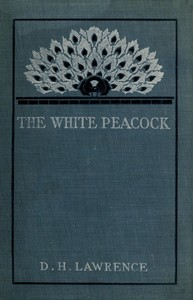
The White Peacock
Written by D. H. (David Herbert) Lawrence
Chaptra reads alongside you — AI insights, chapter breakdowns and reader discussions for every book. Join free
About this book
Reading guide
Themes, characters and key ideas in The White Peacock, written by Chaptra AI.
- about 12 hours
- intermediate
- melancholic
- sensuous
- contemplative
D. H. Lawrence's debut novel, "The White Peacock," explores the complex interplay of love, class, and nature within a rural English community at the turn of the 20th century. Narrated by Cyril Beardsall, the story centers on the ill-fated romance between the vibrant, sensual farmer George Saxton and the intellectually ambitious Lettie Beardsall, Cyril's sister. Their relationship, initially fueled by a deep, almost primal attraction, is ultimately thwarted by societal expectations and their differing aspirations. The novel meticulously details the lives of the Saxton and Beardsall families, charting the decline of traditional rural life and the tragic consequences of individuals struggling against or succumbing to their circumstances, all set against a richly described natural landscape.
“It was a day of brilliant sunshine, and the air was full of the scent of clover and meadowsweet.”
Key themes
- Nature vs. Civilization/Industrialization
- Lawrence profoundly explores the conflict between the raw, vital force of nature and the encroaching, often stifling, pressures of societal convention and industrial progress. Characters like George, deeply rooted in the natural world, suffer when divorced from it or forced to conform to 'civilized' norms, while the beauty of the countryside is gradually threatened by change.
- Love, Marriage, and Social Class
- The novel meticulously dissects the complexities of love and marriage, particularly how they are influenced and often corrupted by social class and expectations. The central tragedy stems from Lettie and George's inability to reconcile their genuine attraction with their differing social standing and ambitions, leading to unfulfilling unions for both.
- Sensuality and Repression
- Lawrence's debut already showcases his lifelong fascination with human sensuality and the detrimental effects of its repression. George embodies a healthy, almost pagan sensuality, which is ultimately stifled by societal norms and Lettie's intellectualized desires. The novel suggests that denying this vital aspect of human nature leads to emotional stagnation and suffering.
Worth discussing
How does Lawrence use the natural landscape to reflect the characters' inner lives and emotional states?
Chapter-by-chapter breakdowns, character arcs and the full thematic analysis come with a free account.
Discussions
No one has started one yet
Questions this book opens up
No discussions yet
Be the first to start a discussion about this book!
Sign up to start the discussionReviews
No reviews yet
Be the first to review this book!