
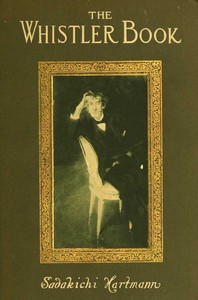
The Whistler book : $b a monograph of the life and position in art of James McNeill Whistler, together with a careful study of his more important works
Written by Sadakichi Hartmann
Chaptra reads alongside you — AI insights, chapter breakdowns and reader discussions for every book. Join free
About this book
Reading guide
Themes, characters and key ideas in The Whistler book : $b a monograph of the life and position in art of James McNeill Whistler, together with a careful study of his more important works, written by Chaptra AI.
- about 8 hours
- advanced
- Analytical
- Appreciative
- Reflective
Sadakichi Hartmann's "The Whistler Book" is an early 20th-century monograph offering a profound exploration of James McNeill Whistler's life and artistic philosophy. The work meticulously analyzes Whistler's key paintings, emphasizing his unique aesthetic preference for capturing transient moments of beauty and his strong opposition to traditional realism. Hartmann frames Whistler's art through the metaphor of a white chrysanthemum, highlighting the artist's belief in the subjective nature of beauty, often found in the simple, ephemeral aspects of life. The book serves as a critical exposition, setting the stage for a comprehensive understanding of Whistler's enduring contributions to modern art.
“The white chrysanthemum, like Whistler's art, speaks of a beauty found not in permanence, but in the exquisite fleetingness of a moment.”
Key themes
- The Aesthetics of Transience
- This theme explores Whistler's central artistic philosophy: the capturing and preservation of fleeting moments of beauty in art. Hartmann argues that Whistler sought to immortalize the ephemeral, whether it be a particular atmospheric effect, a momentary expression, or the delicate arrangement of light and shadow, believing that true beauty resides in these transient experiences.
- Subjectivity of Beauty
- Hartmann highlights Whistler's conviction that beauty is not an objective, universal truth but a subjective experience, deeply personal and often hidden in the simplicity of everyday moments. This theme underscores the idea that the artist's role is not to merely reproduce reality, but to interpret and present a unique vision that evokes an individual's sense of beauty.
- Opposition to Realism and Narrative Art
- A core tenet of Whistler's philosophy, as presented by Hartmann, is his strong rejection of realism and the narrative tendencies prevalent in much of 19th-century art. Whistler advocated for 'art for art's sake,' believing that a painting's value lay in its aesthetic qualities—color, form, and composition—rather than its ability to tell a story or accurately depict objective reality. This theme explores his revolutionary push towards abstraction and pure aesthetic experience.
Worth discussing
How does Hartmann's use of the white chrysanthemum metaphor enhance understanding of Whistler's aesthetic philosophy?
Chapter-by-chapter breakdowns, character arcs and the full thematic analysis come with a free account.
Discussions
No one has started one yet
Questions this book opens up
No discussions yet
Be the first to start a discussion about this book!
Sign up to start the discussionReviews
No reviews yet
Be the first to review this book!