
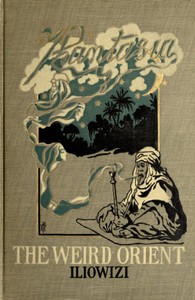
The Weird Orient: Nine Mystic Tales
Written by Henry Iliowizi
Chaptra reads alongside you — AI insights, chapter breakdowns and reader discussions for every book. Join free
About this book
Read it with a club
Chaptra's fiction clubs — small groups reading the same books and talking as they go.


CraxMe Readers Book Club
Fiction
- 385 members
- 227 discussions
- Started December 2025
Welcome to the Readers Book Club. This is an informal group for like-minded people, where you can discuss books, share and recommend, track your reading progress, and lots more. Discuss Books — all about books. Discuss a particular book or genre, share your favourite quotes. Book Reviews — loved a book and highly recommend it? Or was it just average? Share your review and discuss with fellow readers. (May contain spoilers.) Group Reads — what is a book club without a group read! Buddy Reads — planning to read a book and looking for someone to read it with? Post in the Buddy Read request thread, find a reading buddy, and start discussing.
Read The Weird Orient: Nine Mystic Tales alongside people who are reading it too.
Also here: Doorstops, First Lines Club
Chaptra Prime — paid clubs, every club feature, and unlimited reading support, for $5 a month or $60 once.
See PrimeReading guide
Themes, characters and key ideas in The Weird Orient: Nine Mystic Tales, written by Chaptra AI.
- about 8 hours
- intermediate
- mysterious
- spiritual
- philosophical
Henry Iliowizi's "The Weird Orient: Nine Mystic Tales" is a late 19th-century collection of short stories steeped in Eastern folklore and mysticism. Drawing on the author's experiences in Morocco and his background in a mystical sect, the tales explore profound spiritual and moral lessons rooted in Orient culture. Each narrative delves into the intersection of life, the supernatural, and philosophical themes, offering a unique glimpse into the spiritual essence of the East. The collection, introduced by the author's encounters with Tetuan storytellers, aims to encapsulate the allure and mystery of the region through its diverse characters and legendary plots.
“"The Orient whispers secrets to those who listen, tales not of stone and sand, but of the soul's enduring journey."”
Key themes
- Guilt and Redemption
- This theme is central, particularly exemplified by 'The Doom of Al Zameri,' where the consequences of sin (idolatry) lead to a prolonged curse and an arduous journey towards spiritual atonement. The tales explore the profound burden of guilt and the various paths, often requiring immense suffering and introspection, that lead to eventual redemption.
- Spirituality and Mysticism
- The entire collection is framed around the 'mystic tales' of the Orient, drawing from Eastern folklore to explore supernatural phenomena, divine intervention, and the subtle spiritual essence of the region. The author's own mystical background lends an authentic dimension to the portrayal of spiritual practices and beliefs.
- Moral Lessons and Ethical Conduct
- Each tale, like traditional fables, is imbued with a clear moral or ethical lesson, often illustrating the consequences of vice and the rewards of virtue. The narratives serve as didactic tools, guiding readers towards a deeper understanding of right and wrong through engaging, fantastical scenarios.
Worth discussing
How does Iliowizi's background as a member of a mystical sect influence the tone and themes of the tales?
Chapter-by-chapter breakdowns, character arcs and the full thematic analysis come with a free account.
Discussions
No one has started one yet
Questions this book opens up
No discussions yet
Be the first to start a discussion about this book!
Sign up to start the discussionReviews
No reviews yet
Be the first to review this book!