
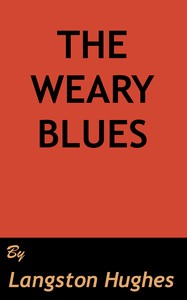
The weary blues
Written by Langston Hughes
Chaptra reads alongside you — AI insights, chapter breakdowns and reader discussions for every book. Join free
About this book
Reading guide
Themes, characters and key ideas in The weary blues, written by Chaptra AI.
- about 8 hours
- intermediate
- melancholic
- resilient
- vibrant
Langston Hughes's debut collection, "The Weary Blues," is a seminal work of the Harlem Renaissance, offering a profound poetic exploration of early 20th-century African American life. Through a blend of free verse and blues-infused rhythms, Hughes captures the multifaceted experiences of Black America, encompassing themes of struggle, joy, identity, and the rich cultural heritage rooted in jazz and blues music. The collection vividly portrays the vibrant yet challenging landscape of inner-city life, particularly Harlem, establishing Hughes as a vital voice in American literature. It serves as both a personal reflection and a broader societal commentary on race relations and the enduring spirit of his people.
“Droning a drowsy syncopated tune, / Rocking back and forth to a mellow croon, / I heard a Negro play.”
Key themes
- African American Identity and Heritage
- This theme explores the multifaceted nature of Black identity, encompassing individual experience, communal bonds, and a deep connection to historical roots. Hughes emphasizes the resilience, dignity, and unique cultural contributions of African Americans, linking their present struggles and triumphs to an ancient and enduring past.
- Music as Expression and Resilience
- Music, particularly blues and jazz, is not merely a subject in Hughes's poetry but a fundamental structural and emotional element. It serves as a powerful medium for expressing sorrow, coping with hardship, celebrating joy, and asserting cultural identity. Music embodies the soul of the African American experience.
- Struggle and Perseverance
- Hughes consistently addresses the hardships faced by African Americans, including poverty, racial prejudice, and systemic injustice. However, he always couples these struggles with a profound emphasis on resilience, determination, and the human spirit's capacity to endure and overcome.
Worth discussing
How does Langston Hughes use the rhythms and structures of blues and jazz music to enhance the thematic content and emotional impact of his poetry?
Chapter-by-chapter breakdowns, character arcs and the full thematic analysis come with a free account.
Discussions
No one has started one yet
Questions this book opens up
No discussions yet
Be the first to start a discussion about this book!
Sign up to start the discussionReviews
No reviews yet
Be the first to review this book!