
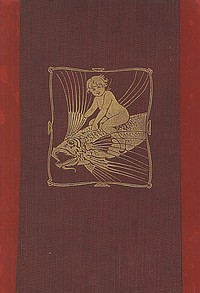
The Water-Babies: A Fairy Tale for a Land-Baby
Written by Charles Kingsley
Chaptra reads alongside you — AI insights, chapter breakdowns and reader discussions for every book. Join free
About this book
This work by Kingsley, Charles offers readers a unique literary experience. The narrative explores themes of fairy tales and chimney sweeps.
Reading guide
Themes, characters and key ideas in The Water-Babies: A Fairy Tale for a Land-Baby, written by Chaptra AI.
- about 8 hours
- intermediate
- whimsical
- didactic
- satirical
Charles Kingsley's "The Water-Babies" is a fantastical moral allegory that follows Tom, a young chimney sweep, who escapes a life of squalor and abuse by transforming into a water-baby after a near-death experience. His journey through an enchanted underwater world becomes a spiritual and moral education, guided by mythical figures like Mrs. Doasyouwouldbedoneby and Mrs. Bedonebyasyoudid. The narrative blends whimsical fantasy with biting social commentary on Victorian issues such as child labor, sanitation, and the burgeoning scientific theories of evolution, ultimately advocating for cleanliness, kindness, and Christian morality as paths to redemption and self-improvement. It's a complex work, often charming but also didactic and reflective of its era's prejudices.
“Therefore, my dear little man, when you go to the seaside, if you will but look a little carefully at the sandy pools and the pebbles, and creep into the great drowned caves, you may find out a great deal about the water-babies, but not all.”
Key themes
- Moral Education and Redemption
- The central theme, explored through Tom's journey from a dirty, ignorant chimney sweep to a clean, knowledgeable, and virtuous water-baby. The narrative is a continuous lesson in right and wrong, emphasizing that actions have consequences and that true goodness comes from cleanliness (both physical and moral), kindness, and selflessness. Redemption is offered through repentance and good deeds.
- Social Commentary and Victorian Reform
- Kingsley uses the fairy tale to expose and critique various social ills of Victorian England, particularly the brutal exploitation of child labor (especially chimney sweeps), the lack of sanitation, and the class disparities that led to suffering. He advocates for Christian charity, social justice, and practical reforms.
- Nature, Environment, and Ecology
- The book celebrates the beauty and wonder of the natural world, particularly aquatic ecosystems, and subtly advocates for their preservation. Kingsley suggests that nature holds profound moral lessons and reflects divine order, contrasting its purity with human pollution and degradation. This can be seen as an early form of environmental consciousness.
Worth discussing
How does Kingsley use the fantasy elements of the underwater world to convey his moral and social messages?
Chapter-by-chapter breakdowns, character arcs and the full thematic analysis come with a free account.
Discussions
No one has started one yet
Questions this book opens up
No discussions yet
Be the first to start a discussion about this book!
Sign up to start the discussionReviews
No reviews yet
Be the first to review this book!