
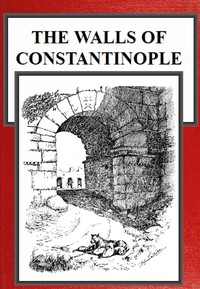
The Walls of Constantinople
Written by B. Granville (Bernard Granville) Baker
Chaptra reads alongside you — AI insights, chapter breakdowns and reader discussions for every book. Join free
About this book
Reading guide
Themes, characters and key ideas in The Walls of Constantinople, written by Chaptra AI.
- about 8 hours
- intermediate
- historical
- contemplative
- grand
Captain B. Granville Baker's "The Walls of Constantinople" is an early 20th-century historical account that meticulously chronicles the enduring significance of Constantinople's iconic fortifications. The book explores how these walls served as both a physical barrier and a profound symbol of cultural evolution, resilience, and identity throughout centuries of tumult. Baker interweaves narratives of conquest, the city's dual nature as a Christian bastion and Islamic focal point, and the inherent romance of its storied past, beginning with the mythical founding by Byzas. Ultimately, it presents a comprehensive portrait of a city whose very existence and transformation were intrinsically linked to its formidable defensive architecture, reflecting the lives and civilizations it protected.
“The walls stood not merely as stone and mortar, but as the very sinews of a civilization, guarding not just a city, but an ideal.”
Key themes
- Resilience and Protection
- This theme explores the primary function and symbolic power of Constantinople's walls as an enduring shield against myriad invaders. It delves into the city's remarkable ability to withstand centuries of sieges and adversities, with the walls serving as a testament to human ingenuity in defense and the unyielding spirit of its inhabitants.
- Cultural Synthesis and Dual Identity
- Baker examines Constantinople as a unique crossroads of civilizations, a city that embodies a dual identity—first as the bastion of Christian Rome (Byzantium) and later as a vibrant focal point of Islamic culture (Istanbul). The walls, in this context, demarcate a space where diverse cultures met, clashed, and ultimately merged, creating a rich tapestry of heritage.
- The Romanticism of History and Place
- This theme highlights the evocative power of history and the inherent allure of a city with such a grand and tumultuous past. Baker's narrative style, which hints at 'romance' and 'conquest,' reflects an appreciation for the dramatic sweep of historical events, the heroism of past figures, and the enduring mystique of ancient places. It's about the emotional and aesthetic connection to history.
Worth discussing
How does Baker use the walls as a narrative device to tell the broader history of Constantinople?
Chapter-by-chapter breakdowns, character arcs and the full thematic analysis come with a free account.
Discussions
No one has started one yet
Questions this book opens up
No discussions yet
Be the first to start a discussion about this book!
Sign up to start the discussionReviews
No reviews yet
Be the first to review this book!