
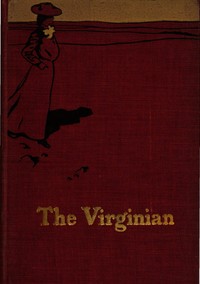
The Virginian: A Horseman of the Plains
Written by Owen Wister
Chaptra reads alongside you — AI insights, chapter breakdowns and reader discussions for every book. Join free
About this book
Reading guide
Themes, characters and key ideas in The Virginian: A Horseman of the Plains, written by Chaptra AI.
- about 10 hours
- intermediate
- rugged
- romantic
- adventurous
Owen Wister's "The Virginian: A Horseman of the Plains" is widely considered the archetypal Western novel, introducing many enduring tropes of the genre. Set in late 19th-century Wyoming, it chronicles the life and moral code of a stoic, honorable, and enigmatic cow-puncher known only as the Virginian. The narrative explores themes of frontier justice, the clash between wilderness and civilization, and the formation of American identity through the Virginian's trials, his rivalry with the villainous Trampas, and his unlikely romance with the refined Eastern schoolteacher, Molly Wood. Through a blend of adventure, humor, and philosophical reflection, the novel paints a vivid picture of the American West as a crucible for character and a landscape of both harsh reality and romantic possibility.
“"When you call me that, smile!"”
Key themes
- The Code of the West / Frontier Justice
- This theme explores the unwritten moral and ethical framework that governs behavior in the untamed American West, often existing outside or even in defiance of formal legal systems. It emphasizes honor, self-reliance, loyalty, and a harsh but necessary form of justice, often involving vigilantism or personal retribution.
- Civilization vs. Wilderness / The Taming of the West
- This theme examines the transition of the American West from a wild, lawless frontier to a more settled, 'civilized' society. It explores the tension between the rugged individualism and freedom of the wilderness and the order, education, and social conventions brought by Eastern influence.
- American Masculinity / Idealized Heroism
- The novel is a foundational text in defining the American ideal of masculinity, particularly the 'cowboy hero.' This theme explores the characteristics of this ideal: stoicism, self-reliance, physical prowess, moral integrity, quiet strength, and a deep connection to the land, often in contrast to more effete Eastern counterparts.
Worth discussing
How does Wister define 'The Code of the West,' and how does it compare to formal legal systems? Is it a justifiable form of justice?
Chapter-by-chapter breakdowns, character arcs and the full thematic analysis come with a free account.
Discussions
No one has started one yet
Questions this book opens up
No discussions yet
Be the first to start a discussion about this book!
Sign up to start the discussionReviews
No reviews yet
Be the first to review this book!