
The AI reading companion for people who take books seriously
AI insights, chapter breakdowns, community discussions — all in one place.
The Violoncello and Its History
About this book
More by Wilhelm Joseph von Wasielewski
Browse all books by this authorExplore Cellists Books
Discover more Cellists literature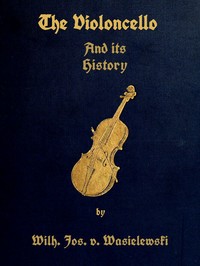
Click "Read now" to open in our Reader with AI features.
Community Discussions
Join the conversation about this book
Discussions
0 discussions
No discussions yet
Be the first to start a discussion about this book!
Sign up to start the discussionAI-Powered Insights
A clearer way to understand The Violoncello and Its History through themes, characters, and key ideas
This reading guide highlights what stands out in The Violoncello and Its History through 4 core themes, 3 character profiles. It is meant to help readers decide whether the book fits their taste and deepen the reading once they begin.
About this book
A quick AI guide to “The Violoncello and Its History”
Get the shape of the book before you commit: what it is about, what mood it carries, and what ideas readers tend to stay with afterward.
What the book is doing
Wilhelm Joseph von Wasielewski's "The Violoncello and Its History" is a seminal late 19th-century historical account meticulously tracing the origins and evolution of the violoncello. The book systematically explores the instrument's development from its precursor, the viola da gamba, detailing its structural changes, repertoire, and the significant figures who shaped its prominence in classical music. Wasielewski emphasizes the instrument's journey from a supporting bass role to a virtuosic solo voice, offering a comprehensive look at its cultural and musical impact. Through extensive historical research, the author provides an invaluable resource for musicians, historians, and anyone interested in the intricate lineage of string instruments.
Key Themes
Evolution of Musical Instruments
This is the core theme, exploring how instruments are not static entities but continually adapt and transform in response to changing musical demands, technological advancements, and aesthetic preferences. Wasielewski meticulously documents the 'survival of the fittest' among instruments, showing how the violoncello's design and function were refined over centuries.
Historical Preservation and Musicological Research
Wasielewski's explicit intent to provide a comprehensive history underscores the theme of the importance of documenting and preserving cultural and artistic heritage. The book itself is an act of musicological research, emphasizing the value of understanding the past to inform the present and future of music.
“My intent is to trace the violoncello's journey from its humble origins to its majestic presence in the concert halls of Europe.”
How did the transition from the viola da gamba to the violoncello reflect broader changes in musical aesthetics and performance practices during the Baroque era?
See chapter-by-chapter takeaways, deeper character arcs, and a fuller literary analysis built around this book.
Unlock full AI analysis for “The Violoncello and Its History”
Chapter breakdowns, character deep-dives, and thematic analysis — all in one place.
Reader Reviews
See what others are saying
Reviews
Overall Rating
Based on community ratings
No reviews yet
Be the first to review this book!
Readers Also Enjoyed
Discover more books similar to The Violoncello and Its History