
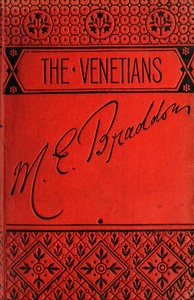
The Venetians : $b A novel
Written by M. E. (Mary Elizabeth) Braddon
Chaptra reads alongside you — AI insights, chapter breakdowns and reader discussions for every book. Join free
About this book
Reading guide
Themes, characters and key ideas in The Venetians : $b A novel, written by Chaptra AI.
- about 9 hours
- intermediate
- mysterious
- dramatic
- suspenseful
M. E. Braddon's "The Venetians" plunges readers into the deceptive allure of Venice Carnival, where the carefree Englishman John Vansittart's impulsive decisions lead to devastating consequences. What begins as a romantic fascination with the beautiful Fiordelisa quickly devolves into a desperate struggle for survival and moral reckoning after a violent altercation shatters the festive atmosphere. The novel explores themes of chance, fate, and the profound ripple effects of a single, ill-fated choice. Vansittart's journey from innocent reveler to a man burdened by guilt and circumstance forms the core of this compelling Victorian sensation novel.
“"Venice, a city of masks and whispers, where every shadow held a secret and every smile a potential betrayal."”
Key themes
- Guilt and Consequence
- Central to the narrative is the profound psychological burden of guilt and the inescapable consequences of one's actions, even if unintended. Vansittart's life is irrevocably altered by the violent incident, forcing him to live with the aftermath and its moral weight.
- Fate vs. Free Will
- The novel deeply explores the tension between individual choices and predetermined destiny. Vansittart's impulsive decisions, particularly his initial encounters and the fatal confrontation, raise questions about whether his life's alteration was due to his own free will or an inescapable chain of events.
- Appearance vs. Reality
- The novel juxtaposes the superficial gaiety and masked anonymity of Venice Carnival with the harsh, often brutal realities lurking beneath. This theme highlights how outward appearances can conceal deeper truths, dangers, and moral complexities.
Worth discussing
How does the setting of Venice Carnival contribute to the novel's themes and atmosphere? Could the story have been as effective elsewhere?
Chapter-by-chapter breakdowns, character arcs and the full thematic analysis come with a free account.
Discussions
No one has started one yet
Questions this book opens up
No discussions yet
Be the first to start a discussion about this book!
Sign up to start the discussionReviews
No reviews yet
Be the first to review this book!