
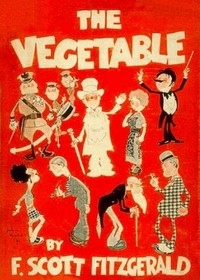
The Vegetable; or, From President to Postman
Written by F. Scott (Francis Scott) Fitzgerald
Chaptra reads alongside you — AI insights, chapter breakdowns and reader discussions for every book. Join free
About this book
Read it with a club
Chaptra's poetry and plays clubs — small groups reading the same books and talking as they go.


Shakespeare Out Loud
Poetry and plays
- 4 members
- 4 discussions
- Active Sep 11
Plays are scripts, not novels. We read them aloud, in parts, and it changes everything. This is a Chaptra house club — set up and moderated by us to get the conversation going. Open to everyone; jump in anywhere.
Read The Vegetable; or, From President to Postman alongside people who are reading it too.
Chaptra Prime — paid clubs, every club feature, and unlimited reading support, for $5 a month or $60 once.
See PrimeReading guide
Themes, characters and key ideas in The Vegetable; or, From President to Postman, written by Chaptra AI.
- about 3 hours
- intermediate
- humorous
- satirical
- absurdist
F. Scott Fitzgerald's only full-length play, "The Vegetable; or, From President to Postman," is a satirical comedy that lampoons the American Dream and political ambition through the absurd journey of Jerry Frost. A disgruntled railroad clerk, Jerry dreams of becoming President, only to find his wish granted in a surreal, dream-like sequence that exposes the hollowness and absurdity of power. The play humorously dissects Jerry's strained marriage to Charlotte and the mundane realities of his life, contrasting them with the chaotic, farcical experience of the presidency. Ultimately, it offers a witty, albeit commercially unsuccessful, commentary on the disillusionment inherent in achieving one's highest, perhaps misguided, aspirations.
“I'm sick of being a vegetable. I want to be a president!”
Key themes
- Ambition vs. Reality
- The central theme explores the vast gap between one's grand ambitions and the often disappointing or overwhelming reality of achieving them. Jerry's dream of the presidency is romanticized, but the reality is chaotic, unfulfilling, and beyond his capabilities, leading to profound disillusionment.
- The American Dream (and its corruption/absurdity)
- Fitzgerald critiques the idealized notion of the American Dream, particularly the idea that success, power, or wealth automatically lead to happiness. Jerry's journey reveals the dream's potential for absurdity and hollowness, especially when pursued without genuine purpose or suitability.
- Marital Discord and Domesticity
- The play vividly portrays the strained, bickering relationship between Jerry and Charlotte, highlighting the boredom, discontent, and unspoken resentments that can characterize a long-term marriage. Their dynamic serves as a microcosm for Jerry's broader dissatisfaction with his life.
Worth discussing
How does Fitzgerald use comedy and absurdity to critique the American Dream in 'The Vegetable'?
Chapter-by-chapter breakdowns, character arcs and the full thematic analysis come with a free account.
Discussions
No one has started one yet
Questions this book opens up
No discussions yet
Be the first to start a discussion about this book!
Sign up to start the discussionReviews
No reviews yet
Be the first to review this book!