
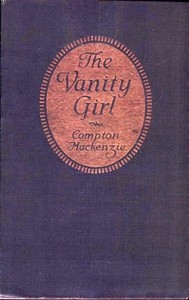
The Vanity Girl
Written by Compton MacKenzie
Chaptra reads alongside you — AI insights, chapter breakdowns and reader discussions for every book. Join free
About this book
Reading guide
Themes, characters and key ideas in The Vanity Girl, written by Chaptra AI.
- about 8 hours
- intermediate
- humorous
- aspirational
- conflicted
Compton Mackenzie's "The Vanity Girl" introduces Norah Caffyn, an ambitious young woman chafing under the restrictive suburban domesticity of early 20th-century West Kensington. The narrative humorously depicts her desire for independence and a life beyond her traditional, overbearing father and numerous siblings. As Norah's beauty blossoms, so too does her resolve to escape societal and parental expectations, particularly her yearning for a career on the stage. Her ultimate decision to forsake a conventional engagement for the uncertain path of theatrical ambition marks her quest for self-discovery and freedom from her family's shadow.
“"The dullness of Lonsdale Road was not merely a geographical fact; it was a state of mind, an inheritance."”
Key themes
- Individual Aspiration vs. Societal Expectation
- This theme is central to the novel, exploring the profound conflict between Norah's personal dreams of independence and a stage career against the rigid societal norms and familial pressures dictating a woman's role in early 20th-century England. It examines the courage required to defy these expectations.
- Feminine Independence and Identity
- The novel delves into Norah's quest to forge her own identity outside the patriarchal shadow of her father and the traditional roles prescribed for women. It explores the burgeoning desire for self-determination and the challenges faced by women seeking agency in a restrictive era.
- The Constraints of Domesticity
- Mackenzie humorously but critically portrays the suffocating nature of traditional suburban domesticity, particularly for an ambitious young woman. The theme highlights how the home, often seen as a sanctuary, can become a prison of routine and unfulfilled potential.
Worth discussing
How does Mackenzie use humor to highlight the constraints and absurdities of early 20th-century domestic life?
Chapter-by-chapter breakdowns, character arcs and the full thematic analysis come with a free account.
Discussions
No one has started one yet
Questions this book opens up
No discussions yet
Be the first to start a discussion about this book!
Sign up to start the discussionReviews
No reviews yet
Be the first to review this book!