
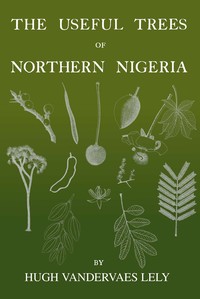
The useful trees of northern Nigeria
Written by Hugh Vandervaes Lely
Chaptra reads alongside you — AI insights, chapter breakdowns and reader discussions for every book. Join free
About this book
Reading guide
Themes, characters and key ideas in The useful trees of northern Nigeria, written by Chaptra AI.
- about 15 hours
- intermediate
- informative
- academic
- practical
Lely's "The Useful Trees of Northern Nigeria" is an early 20th-century scientific guide identifying and describing 120 key tree species found in the region's savannah forests. Written with a pragmatic purpose, it offers practical information on each species' morphology, habitat, and economic uses for local communities. The book emphasizes ease of identification through clear textual descriptions complemented by detailed drawings of bark, leaves, flowers, and fruits. It also provides an ecological context for these forests, discussing their varying compositions and the influence of human activity, serving as a foundational resource for botany and conservation efforts.
“This volume is intended to be a pragmatic guide rather than a comprehensive flora.”
Key themes
- Ecological Documentation and Resource Cataloging
- The central theme involves the systematic identification, description, and cataloging of tree species, emphasizing their characteristics and distribution within Northern Nigeria's savannah forests. This forms a baseline record of biodiversity.
- Practical Utility and Economic Value of Natural Resources
- A core aspect of the book is its focus on the 'usefulness' of the trees, detailing their economic and practical applications for local communities and industries. This highlights the value of natural resources for sustenance, medicine, and livelihoods.
- Colonial Science and Resource Assessment
- The book is a product of early 20th-century colonial administration, reflecting the scientific impulse to survey and catalog the resources of newly acquired territories. It represents an effort to understand and potentially manage the natural wealth of Northern Nigeria.
Worth discussing
How does Lely's focus on 'useful trees' reflect the scientific and colonial priorities of the early 20th century?
Chapter-by-chapter breakdowns, character arcs and the full thematic analysis come with a free account.
Discussions
No one has started one yet
Questions this book opens up
No discussions yet
Be the first to start a discussion about this book!
Sign up to start the discussionReviews
No reviews yet
Be the first to review this book!