
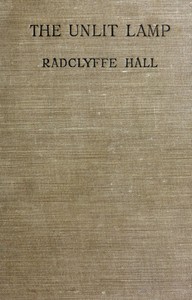
The unlit lamp
Written by Radclyffe Hall
Chaptra reads alongside you — AI insights, chapter breakdowns and reader discussions for every book. Join free
About this book
Reading guide
Themes, characters and key ideas in The unlit lamp, written by Chaptra AI.
- about 10 hours
- advanced
- Melancholy
- Oppressive
- Psychological
Radclyffe Hall's "The Unlit Lamp" is a poignant and deeply psychological novel charting the life of Joan Ogden, a sensitive and intellectually ambitious young woman stifled by her domineering father and emotionally dependent mother. Set in early 20th-century England, the story meticulously details Joan's desperate yearning for independence and intellectual fulfillment, which clashes tragically with her overwhelming sense of family duty. Her profound, unrequited love for her governess, Elizabeth Rodney, offers a fleeting glimpse of personal liberation, ultimately overshadowed by the suffocating demands of her home. The novel stands as a powerful exploration of unfulfilled potential, the destructive nature of possessive love, and the societal pressures that constrained women's lives.
“"Her lamp was unlit. She was a woman who had never lived."”
Key themes
- Unfulfilled Potential and Stifled Lives
- This is the central theme, exploring how Joan's intellectual gifts and personal aspirations are systematically crushed by familial demands and societal expectations. Her 'unlit lamp' symbolizes the bright mind and spirit that is never allowed to flourish, leading to a life of quiet desperation and regret.
- Family Duty vs. Personal Desire
- The core conflict of the novel revolves around Joan's struggle to reconcile her deep sense of obligation to her mother with her own yearning for independence and a meaningful life. The novel questions the true nature of duty and whether it can justify the complete sacrifice of an individual's happiness.
- The Nature of Love and Sacrifice
- The novel explores different facets of love: the possessive, demanding love of a parent; the profound, unspoken love between Joan and Elizabeth; and Joan's self-sacrificing love for her mother. It delves into how love, when intertwined with duty and expectation, can become a destructive force, leading to personal martyrdom.
Worth discussing
To what extent is Joan's fate a result of her own choices versus the circumstances imposed upon her by family and society?
Chapter-by-chapter breakdowns, character arcs and the full thematic analysis come with a free account.
Discussions
No one has started one yet
Questions this book opens up
No discussions yet
Be the first to start a discussion about this book!
Sign up to start the discussionReviews
No reviews yet
Be the first to review this book!