
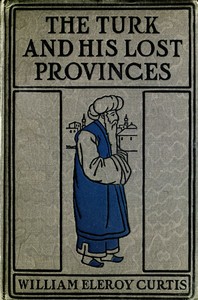
The Turk and his lost provinces : $b Greece, Bulgaria, Servia, Bosnia
Written by William Eleroy Curtis
Chaptra reads alongside you — AI insights, chapter breakdowns and reader discussions for every book. Join free
About this book
Reading guide
Themes, characters and key ideas in The Turk and his lost provinces : $b Greece, Bulgaria, Servia, Bosnia, written by Chaptra AI.
- about 12 hours
- intermediate
- somber
- critical
- urgent
William Eleroy Curtis's "The Turk and his Lost Provinces" is an early 20th-century historical account delving into the volatile political landscape and humanitarian crises of the Balkan states under the waning Ottoman Empire. The book critically examines the dire conditions faced by Christian populations in regions like Greece, Bulgaria, Servia, and Bosnia, highlighting the atrocities and injustices prevalent during a period of burgeoning nationalist movements. Curtis sets a somber tone, emphasizing the tragic consequences of Turkish oppression, particularly the upheaval in Macedonia, and critiques the perceived inaction of European powers. It serves as a comprehensive exposé, detailing the intricate political machinations and historical suffering that left these provinces in a state of turmoil and despair.
“The Balkan Peninsula, a land of ancient glories, had become a theatre of unending human misery under the relentless hand of Ottoman misrule.”
Key themes
- Ottoman Decline and Misrule
- This central theme explores the crumbling authority of the Ottoman Empire, particularly in its European provinces. Curtis details how a combination of corruption, administrative inefficiency, and a perceived lack of justice led to widespread discontent and suffering among the non-Muslim populations. It highlights the systemic issues that prevented reform and fueled resistance.
- Humanitarian Crisis and Atrocities
- A paramount theme, Curtis extensively documents the severe humanitarian crisis in the Balkans, characterized by massacres, forced conversions, economic exploitation, and widespread suffering. He focuses particularly on the plight of Christian populations, highlighting the brutality and systemic injustices they faced.
- Nationalism and Self-Determination
- The book vividly portrays the rising tide of nationalist sentiments among the Greek, Bulgarian, Serbian, and Bosnian populations. These aspirations for self-rule and the establishment of independent nation-states are presented as a direct response to Ottoman oppression and a fundamental desire for cultural and political autonomy.
Worth discussing
How does Curtis's portrayal of Ottoman rule influence our understanding of the 'Eastern Question' and the origins of modern Balkan states?
Chapter-by-chapter breakdowns, character arcs and the full thematic analysis come with a free account.
Discussions
No one has started one yet
Questions this book opens up
No discussions yet
Be the first to start a discussion about this book!
Sign up to start the discussionReviews
No reviews yet
Be the first to review this book!