
Chaptra
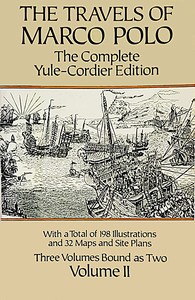
Cover of The Travels of Marco Polo — Volume 2

The Travels of Marco Polo — Volume 2

Written by Marco Polo,da Pisa Rusticiano

Not rated yet — tap a star to review it

Chaptra reads alongside you — AI insights, chapter breakdowns and reader discussions for every book. Join free

About this book

"The Travels of Marco Polo — Volume 2" by Marco Polo and da Pisa Rusticiano is a historical account likely written in the 14th century. This volume continues the detailed narrative of Marco Polo's journeys throughout Asia, focusing specifically on his travels to the western and southwestern regions of Cathay and beyond. The narrative promises an intriguing exploration of various cities, cultures, and geographical features that Polo encountered during his illustrious journey. At the start of this volume, the narrative outlines the beginning of Polo's journey from Cambaluc, where he describes the River Pulisanghin, an impressive waterway he encountered. He delivers a vivid depiction of a remarkable stone bridge spanning this river, adorned with impressive marble sculptures. Following this description, Polo introduces the city of Juju, highlighting its economy based on silk and textiles, and the flourishing agricultural areas surrounding it. The text suggests a blend of rich cultural insights, geographical observations, and the practicalities of travel during that era, setting the stage for Polo's further adventures in lands filled with unique customs and trading practices.

Reading guide

Themes, characters and key ideas in The Travels of Marco Polo — Volume 2, written by Chaptra AI.

  • about 8 hours
  • intermediate
  • informative
  • adventurous
  • historical

Volume 2 of "The Travels of Marco Polo" continues the enthralling historical account of Marco Polo's extensive journeys across Asia, meticulously chronicling his explorations, particularly through the western and southwestern reaches of Cathay. This segment delves into vivid descriptions of geographical features, diverse cities, and the unique cultures encountered along his route. Beginning with his departure from Cambaluc, Polo details impressive structures like the River Pulisanghin and its magnificent stone bridge, before immersing readers in the economic and agricultural vibrancy of cities such as Juju. The narrative masterfully blends rich cultural insights with practical observations of trade and daily life, offering a fascinating glimpse into medieval Asian societies and the challenges of long-distance travel.

From Cambaluc, our journey led us westward, through lands fertile and rich beyond measure.

Key themes

Exploration and Discovery
The fundamental theme of the book, centered on the physical act of traveling through previously unknown (to Europeans) lands and the intellectual act of documenting new geographical features, cities, and peoples. It highlights the human drive to venture beyond known boundaries and to map the world.
Cultural Encounter and Exchange
This theme explores the interactions between different civilizations and the observations Polo makes about the customs, religions, languages, and social structures of the various peoples he meets. It highlights the diversity of human experience and the potential for both fascination and misunderstanding across cultures.
Trade and Economic Prosperity
The book meticulously details the economic activities, resources, and trade routes of the regions Polo traverses. It underscores the importance of commerce in fostering wealth, connecting distant lands, and shaping the characteristics of different cities and empires.

Worth discussing

How does Marco Polo's account shape the European perception of Asia in the 14th century, and what impact did this perception have?

Chapter-by-chapter breakdowns, character arcs and the full thematic analysis come with a free account.

Discussions

No one has started one yet

Join

Questions this book opens up

No discussions yet

Be the first to start a discussion about this book!

Sign up to start the discussion

Reviews

No reviews yet

Be the first to review this book!