
The AI reading companion for people who take books seriously
AI insights, chapter breakdowns, community discussions — all in one place.
The Train Boy
About this book
More by Horatio Alger
Browse all books by this authorExplore Children Books
Discover more Children literature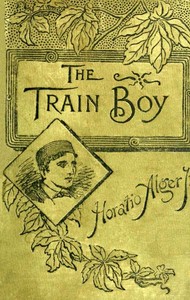
Click "Read now" to open in our Reader with AI features.
Community Discussions
Join the conversation about this book
Discussions
0 discussions
No discussions yet
Be the first to start a discussion about this book!
Sign up to start the discussionAI-Powered Insights
A clearer way to understand The Train Boy through themes, characters, and key ideas
This reading guide highlights what stands out in The Train Boy through 4 core themes, 4 character profiles, and 5 chapter-level ideas. It is meant to help readers decide whether the book fits their taste and deepen the reading once they begin.
About this book
A quick AI guide to “The Train Boy”
Get the shape of the book before you commit: what it is about, what mood it carries, and what ideas readers tend to stay with afterward.
What the book is doing
Horatio Alger Jr.'s "The Train Boy" follows the journey of Paul Palmer, a virtuous and industrious 16-year-old who sells magazines on a Milwaukee-to-Chicago train. The narrative quickly establishes Paul's integrity and kind nature, particularly through his interactions with an elderly woman and the benevolent Grace Dearborn. However, his world is disrupted when he exposes the thief Luke Denton, setting off a chain of events that tests Paul's resolve and threatens his family's security. The story, typical of Alger's oeuvre, explores themes of honesty, perseverance, and the ultimate triumph of good over malevolence, as Paul navigates challenges to protect those he loves and uphold justice.
Key Themes
Virtue and Perseverance
This is a cornerstone theme for Alger. The story consistently demonstrates that honesty, hard work, kindness, and moral integrity are ultimately rewarded, even in the face of significant adversity. Paul Palmer's unwavering commitment to these virtues is the driving force behind his eventual success and vindication.
Justice and Morality
The narrative explicitly contrasts good and evil, with Paul representing moral rectitude and Luke Denton embodying criminality and malevolence. The story argues that justice will ultimately prevail, and those who act dishonestly will face consequences, while those who uphold moral standards will be vindicated and rewarded.
“"Honesty is the best policy, young man, and it always pays in the end."”
How does Paul Palmer embody the 'ideal' young American in the late 19th century? Are these traits still valued today?
See chapter-by-chapter takeaways, deeper character arcs, and a fuller literary analysis built around this book.
Unlock full AI analysis for “The Train Boy”
Chapter breakdowns, character deep-dives, and thematic analysis — all in one place.
Reader Reviews
See what others are saying
Reviews
Overall Rating
Based on community ratings
No reviews yet
Be the first to review this book!
Readers Also Enjoyed
Discover more books similar to The Train Boy