
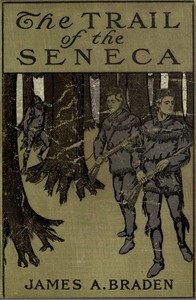
The Trail of the Seneca
Written by James A. (James Andrew) Braden
Chaptra reads alongside you — AI insights, chapter breakdowns and reader discussions for every book. Join free
About this book
Reading guide
Themes, characters and key ideas in The Trail of the Seneca, written by Chaptra AI.
- about 8 hours
- intermediate
- tense
- mysterious
- adventurous
James A. Braden's "The Trail of the Seneca" is an early 20th-century historical novel set in the late 18th century, exploring the fraught interactions between Indigenous tribes and European settlers in North America. The narrative centers on Lone-Elk, an ambitious and treacherous Seneca outcast who has risen to leadership among the Delawares. When a mysterious death occurs during a Harvest Festival, Lone-Elk manipulates events to accuse a young white settler, John Jerome, of witchcraft, escalating tensions. The story follows John's perilous struggle for survival and his loyal friend Ree Kingdom's quest to clear his name amidst a backdrop of cultural conflict and societal upheaval, promising a gripping tale of truth and justice.
“"The shadow of suspicion, once cast, clings like the deepest winter fog, blinding all to the light of truth."”
Key themes
- Cultural Conflict and Misunderstanding
- The novel deeply explores the tensions and clashes arising from the interactions between Indigenous tribes (Seneca, Delaware) and early European settlers. It highlights how different belief systems, customs, and suspicions can lead to severe conflict, especially when exploited by malicious individuals. The witchcraft accusation serves as a prime example of cultural misunderstanding weaponized.
- Justice and Truth
- At its core, the novel is a quest for justice and the unveiling of truth. John Jerome's wrongful accusation and Ree Kingdom's relentless pursuit to clear his name drive this theme. It examines the fragility of justice in a volatile environment, where personal ambition and fear can easily subvert due process, and highlights the courage required to seek and uphold truth against powerful lies.
- Power and Manipulation
- The character of Lone-Elk embodies the theme of power and manipulation. His ambition drives him to exploit the existing societal tensions and superstitions to gain and consolidate power among the Delawares. The novel illustrates how individuals can manipulate fears, beliefs, and social structures to achieve their selfish ends, demonstrating the corrupting influence of unchecked power.
Worth discussing
How does Braden use the accusation of witchcraft to drive the plot and highlight societal tensions?
Chapter-by-chapter breakdowns, character arcs and the full thematic analysis come with a free account.
Discussions
No one has started one yet
Questions this book opens up
No discussions yet
Be the first to start a discussion about this book!
Sign up to start the discussionReviews
No reviews yet
Be the first to review this book!