
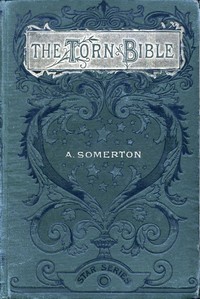
The Torn Bible; Or, Hubert's Best Friend
Written by Alice Somerton
Chaptra reads alongside you — AI insights, chapter breakdowns and reader discussions for every book. Join free
About this book
Reading guide
Themes, characters and key ideas in The Torn Bible; Or, Hubert's Best Friend, written by Chaptra AI.
- about 8 hours
- intermediate
- serious
- moralistic
- redemptive
Alice Somerton's late 19th-century novel, "The Torn Bible; Or, Hubert's Best Friend," chronicles the moral and spiritual journey of Hubert Goodwin, a young soldier torn between his family's love and his desire for a reckless, carefree life. Leaving his rural home for military training, Hubert initially rejects his devout mother's gift of a Bible, allowing vanity and a quest for adventure to steer him towards a path of moral neglect. The narrative explores his inner turmoil as his choices create a growing chasm between him and his parents, leading to serious consequences. Ultimately, the story sets the stage for Hubert's potential transformation and redemption, emphasizing the profound impact of faith and the enduring power of familial bonds amidst his struggles.
“"Let this book be your truest friend, Hubert, a lamp unto your feet when all else fails."”
Key themes
- Morality and Consequences
- This theme explores the direct link between an individual's moral choices and the repercussions that follow. Hubert's journey from a reckless lifestyle to facing 'serious consequences' highlights the author's emphasis on accountability and the idea that one's actions, whether good or bad, inevitably shape one's destiny and relationships.
- Faith and Spirituality
- This theme underscores the critical role of religious faith, specifically Christian faith as embodied by the Bible, as a guiding light and source of moral strength. Hubert's initial rejection and eventual embrace of the Bible symbolize his spiritual journey and the idea that faith can be a 'best friend' during times of struggle.
- Redemption and Transformation
- Central to the narrative, this theme focuses on Hubert's potential for change and forgiveness after a period of moral failing. It suggests that despite past mistakes, individuals can find a path back to virtue, often through introspection, repentance, and a renewed embrace of spiritual or familial values.
Worth discussing
How does Somerton use the 'torn Bible' as a central symbol throughout the story? What does its state represent at different points in Hubert's journey?
Chapter-by-chapter breakdowns, character arcs and the full thematic analysis come with a free account.
Discussions
No one has started one yet
Questions this book opens up
No discussions yet
Be the first to start a discussion about this book!
Sign up to start the discussionReviews
No reviews yet
Be the first to review this book!