
The AI reading companion for people who take books seriously
AI insights, chapter breakdowns, community discussions — all in one place.
The tithe
About this book
More by Elmer Bryan Stewart
Browse all books by this authorExplore Tithes Books
Discover more Tithes literature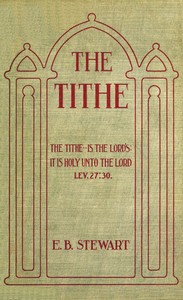
Click "Read now" to open in our Reader with AI features.
Community Discussions
Join the conversation about this book
Discussions
0 discussions
No discussions yet
Be the first to start a discussion about this book!
Sign up to start the discussionAI-Powered Insights
A clearer way to understand The tithe through themes, characters, and key ideas
This reading guide highlights what stands out in The tithe through 4 core themes, and 6 chapter-level ideas. It is meant to help readers decide whether the book fits their taste and deepen the reading once they begin.
About this book
A quick AI guide to “The tithe”
Get the shape of the book before you commit: what it is about, what mood it carries, and what ideas readers tend to stay with afterward.
What the book is doing
Elmer Bryan Stewart's "The Tithe" is an early 20th-century theological treatise meticulously examining the historical and scriptural foundations of tithing. The author posits that a proper understanding and consistent practice of tithing are crucial for the financial health and missionary effectiveness of the Church. Stewart critically evaluates contemporary Church finance, suggesting that inadequate theological education contributes significantly to its shortcomings. He advocates for a comprehensive approach to Christian financial responsibility, emphasizing that clear articulation and adherence to tithing principles by both clergy and laity are essential for advancing the Church's mission. The work, while not exhaustive historically, aims to provide a structured argument for the enduring relevance of tithing.
Key Themes
Christian Stewardship and Financial Responsibility
This is the core theme, exploring the theological basis for Christians' obligation to dedicate a portion of their income to God's work. Stewart argues that tithing is not merely an option but a scriptural mandate, crucial for the spiritual health of individuals and the financial health of the Church. He frames it as an act of obedience and worship.
Critique of Church Finance and Institutional Reform
Stewart offers a sharp critique of the financial practices prevalent within the Church during his era. He views these practices as often inadequate, unscriptural, and hindering the Church's mission. This theme calls for institutional introspection and reform, advocating for a return to what he considers biblically sound financial principles.
“"The complexity of tithing is acknowledged, yet my focus remains on its practical and scriptural foundations, not an exhaustive historical account."”
How does Stewart's early 20th-century critique of Church finance compare to contemporary challenges faced by religious institutions?
See chapter-by-chapter takeaways, deeper character arcs, and a fuller literary analysis built around this book.
Unlock full AI analysis for “The tithe”
Chapter breakdowns, character deep-dives, and thematic analysis — all in one place.
Reader Reviews
See what others are saying
Reviews
Overall Rating
Based on community ratings
No reviews yet
Be the first to review this book!
Readers Also Enjoyed
Discover more books similar to The tithe