
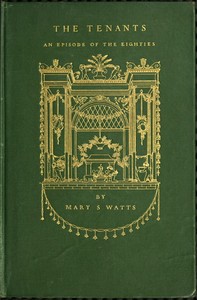
The Tenants: An Episode of the '80s
Written by Mary S. (Mary Stanbery) Watts
Chaptra reads alongside you — AI insights, chapter breakdowns and reader discussions for every book. Join free
About this book
Reading guide
Themes, characters and key ideas in The Tenants: An Episode of the '80s, written by Chaptra AI.
- about 8 hours
- intermediate
- nostalgic
- melancholic
- reflective
Mary S. Watts's "The Tenants: An Episode of the '80s" is a poignant historical novel set in a Midwestern town, chronicling the slow demise of the once-grand Gwynne house. Through the eyes of various characters, particularly the heirs of the Gwynne family like Harriet Peters, the narrative explores the profound impact of change and the weight of a vanishing legacy. It delves into themes of nostalgia, the inevitable march of progress, and the bittersweet sentiment attached to ancestral homes as they transition from symbols of prominence to dilapidated tenements. The novel uses the house's physical decay as a powerful metaphor for the social and familial shifts occurring in post-Civil War America, offering a reflective look at memory, class, and the passage of time.
“"The bricks of the old Gwynne house were not merely clay and mortar; they were the very substance of memory, crumbling now as if to spite the past."”
Key themes
- Nostalgia and the Past's Hold
- The novel deeply explores the bittersweet emotion of nostalgia, particularly the longing for a bygone era and the pain of witnessing its physical decay. Characters, especially Harriet Peters, are constantly looking back, idealizing the past grandeur of the Gwynne house and the family's former prominence. This theme examines how memory shapes identity and how difficult it is to let go of what was, even when the present demands adaptation.
- Change and Modernity's Impact
- Central to the novel is the theme of inevitable change, specifically the transition from an older, more established social order to a new, more industrial and perhaps less hierarchical one. The demolition of the Gwynne house symbolizes the sweeping changes affecting not just the family but the broader Midwestern town and American society. It explores the challenges of adapting to new realities and the emotional cost of progress.
- Family Legacy and Decline
- The narrative meticulously tracks the decline of the Gwynne family legacy, from the prominent Governor Gwynne to his struggling descendants. It examines the burdens and privileges of inherited status, the erosion of wealth, and the psychological impact of living in the shadow of a glorious past. The house itself is a physical manifestation of this legacy, and its fate mirrors the family's own.
Worth discussing
How does the Gwynne house function as a character or central symbol in the novel? What does its transformation represent?
Chapter-by-chapter breakdowns, character arcs and the full thematic analysis come with a free account.
Discussions
No one has started one yet
Questions this book opens up
No discussions yet
Be the first to start a discussion about this book!
Sign up to start the discussionReviews
No reviews yet
Be the first to review this book!