
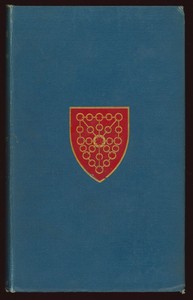
The Tales of the Heptameron, Vol. 3 (of 5)
Written by Queen Marguerite
Chaptra reads alongside you — AI insights, chapter breakdowns and reader discussions for every book. Join free
About this book
Reading guide
Themes, characters and key ideas in The Tales of the Heptameron, Vol. 3 (of 5), written by Chaptra AI.
- about 8 hours
- advanced
- Romantic
- Melancholy
- Moralistic
Volume 3 of Marguerite, Queen of Navarre's 'The Tales of the Heptameron' continues its intricate exploration of human relationships, love, and moral quandaries set within a 16th-century courtly context. Through a series of interconnected short stories, the volume delves into the complexities of fidelity, passion, and societal expectations. It presents a nuanced view of virtue and vice, often highlighting the internal and external struggles characters face when confronted with matters of the heart. The tales serve as moral lessons and psychological studies, prompting readers to reflect on the enduring frailties and triumphs of human devotion.
“"For true love, when it is pure and divine, seeks not the fleeting pleasures of the world, but an eternal union of souls."”
Key themes
- Love and Fidelity
- This theme is central to the entire volume, exploring the multifaceted nature of love, from intense devotion and spiritual commitment to the agony of unrequited love and the destructive power of infidelity. The tales present love as both a source of profound joy and immense suffering.
- Virtue and Vice
- Marguerite frequently contrasts virtuous behavior (such as unwavering devotion, honesty, and self-sacrifice) with vices like infidelity, deceit, and selfishness. The tales often serve as moral exempla, prompting reflection on ethical conduct within personal and courtly spheres.
- Societal Expectations vs. Individual Desire
- Many characters find themselves torn between the demands of courtly society, family honor, and religious strictures, and their own passionate desires. The stories often highlight the conflicts arising when personal longing clashes with external pressures.
Worth discussing
How do the tales in this volume challenge or uphold traditional notions of courtly love and fidelity?
Chapter-by-chapter breakdowns, character arcs and the full thematic analysis come with a free account.
Discussions
No one has started one yet
Questions this book opens up
No discussions yet
Be the first to start a discussion about this book!
Sign up to start the discussionReviews
No reviews yet
Be the first to review this book!