
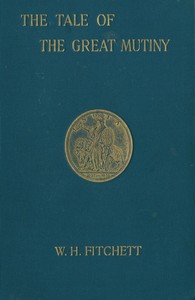
The Tale of the Great Mutiny
Written by W. H. (William Henry) Fitchett
Chaptra reads alongside you — AI insights, chapter breakdowns and reader discussions for every book. Join free
About this book
Reading guide
Themes, characters and key ideas in The Tale of the Great Mutiny, written by Chaptra AI.
- about 12 hours
- advanced
- dramatic
- historical
- tense
W. H. Fitchett's "The Tale of the Great Mutiny" offers a vivid, early 20th-century historical account of the Indian Mutiny of 1857, chronicling the dramatic uprising against the British East India Company. The narrative delves into the intense moments of rebellion and the British military's response, highlighting pivotal figures like Mungul Pandy and key British commanders. Fitchett aims to craft a compelling story imbued with narratives of heroism amidst the backdrop of colonial conflict. Beginning with the initial spark of Mungul Pandy's defiance, the book meticulously details the escalating tensions, major confrontations, and the complex interplay of loyalty and rebellion that defined this tumultuous period. It serves as a significant historical document reflecting a particular British perspective on a watershed event in colonial history.
“"The air was thick with the gathering thunder of rebellion, a storm brewed of suspicion, fanaticism, and the swift, terrible anger of a race pushed to its breaking point."”
Key themes
- Colonialism and Resistance
- The entire narrative is framed by the dynamics of British colonial rule in India and the violent resistance it eventually provoked. Fitchett explores the mechanisms of British control, the grievances (as perceived by the British) that led to the uprising, and the imperial response to maintain dominance. It implicitly examines the inherent tensions and power imbalances of a colonial relationship, though from a pro-imperial viewpoint.
- Heroism and Sacrifice
- Fitchett places a strong emphasis on acts of individual and collective bravery, particularly among the British. He highlights the courage of officers and soldiers facing overwhelming odds, enduring sieges, and leading counter-offensives. Sacrifice, both in terms of lives lost and personal hardship endured, is a recurring motif, framed as a testament to British character and resolve.
- Loyalty and Betrayal
- A core theme, particularly from the British perspective, is the perceived betrayal by the Sepoy regiments who had served the East India Company for decades. Fitchett explores the breakdown of trust and the shock of erstwhile loyal soldiers turning against their commanders. This theme also touches upon the complex loyalties within Indian society, with some groups remaining loyal to the British while others joined the rebellion.
Worth discussing
How does Fitchett's early 20th-century British perspective shape his portrayal of the Indian Mutiny? What are the implications of this bias for historical understanding?
Chapter-by-chapter breakdowns, character arcs and the full thematic analysis come with a free account.
Discussions
No one has started one yet
Questions this book opens up
No discussions yet
Be the first to start a discussion about this book!
Sign up to start the discussionReviews
No reviews yet
Be the first to review this book!