
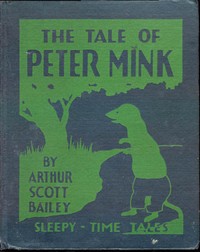
The Tale of Peter Mink: Sleepy-Time Tales
Written by Arthur Scott Bailey
Chaptra reads alongside you — AI insights, chapter breakdowns and reader discussions for every book. Join free
About this book
Reading guide
Themes, characters and key ideas in The Tale of Peter Mink: Sleepy-Time Tales, written by Chaptra AI.
- about 8 hours
- beginner
- humorous
- whimsical
- lighthearted
Arthur Scott Bailey's "The Tale of Peter Mink" introduces young readers to the mischievous Peter Mink, a character renowned for his long neck and wandering spirit within a lively animal kingdom. The story chronicles Peter's various escapades, which frequently involve pranks, attempts to shirk responsibilities, and interactions with forest dwellers like Jimmy Rabbit and Fatty Coon. Through a series of humorous situations born from his disregard for consequences, Peter gradually learns the value of cooperation and the pitfalls of unbridled mischief. Ultimately, this charming narrative serves as a lighthearted exploration of character development, emphasizing the importance of community and the lessons derived from one's errors.
“"Mischief, Peter Mink, rarely pays off in the end, as you will surely find."”
Key themes
- Mischief and Consequences
- This is the central theme, explored through Peter Mink's continuous attempts at pranks, shirking work, and causing minor disruptions. The narrative consistently illustrates that such actions inevitably lead to undesirable outcomes for Peter, ranging from personal inconvenience to social isolation. It highlights the direct link between one's actions and their repercussions.
- Friendship and Community
- The story emphasizes the importance of belonging to a supportive community and the value of true friendship. Peter's interactions with Jimmy Rabbit and Fatty Coon, despite his mischievousness, showcase the bonds that hold the animal kingdom together. When Peter's actions threaten these bonds, he learns the loneliness of isolation and the warmth of reconciliation.
- Learning from Mistakes
- This theme is foundational to Peter's character arc and the didactic nature of the book. Each of Peter's misadventures serves as a lesson, however small, contributing to his gradual understanding of appropriate behavior. The story gently reinforces the idea that errors are opportunities for growth and self-improvement.
Worth discussing
How does Peter Mink's mischievous nature affect his relationships with other animals?
Chapter-by-chapter breakdowns, character arcs and the full thematic analysis come with a free account.
Discussions
No one has started one yet
Questions this book opens up
No discussions yet
Be the first to start a discussion about this book!
Sign up to start the discussionReviews
No reviews yet
Be the first to review this book!