
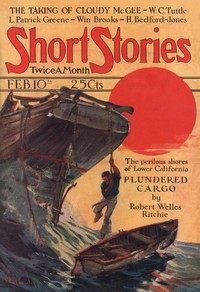
The taking of Cloudy McGee
Written by W. C. (Wilbur C.) Tuttle
Chaptra reads alongside you — AI insights, chapter breakdowns and reader discussions for every book. Join free
About this book
Reading guide
Themes, characters and key ideas in The taking of Cloudy McGee, written by Chaptra AI.
- about 8 hours
- intermediate
- humorous
- chaotic
- witty
W. C. Tuttle's "The Taking of Cloudy McGee" is a rollicking early 20th-century humorous crime novel set in the fictional town of Lost Hills. The story follows the desperate scheme of lawyer Ferdinand P. Putney and anxious bank cashier Amos K. Weed, who, facing a looming bank audit after Amos's failed investments, conspire to stage a fake bank robbery. They enlist the notorious criminal Cloudy McGee for the heist, aiming to cover their tracks through an elaborate deception. However, their meticulously crafted plan unravels into utter chaos with the unexpected arrival of a bumbling U.S. marshal, who mistakenly apprehends the wrong man for McGee. This farcical turn of events leads to a hilarious culmination of mistaken identities, miscommunication, and the ultimate failure of their desperate machinations.
“"A man's got to make a living, Amos, even if it means bending the rules a little... or breaking them entirely."”
Key themes
- Mistaken Identity and Absurdity
- The entire comedic climax and much of the plot's entertainment value revolve around the theme of mistaken identity. The bumbling U.S. marshal's inability to correctly identify Cloudy McGee, leading him to apprehend the wrong man, injects an element of pure farce into what was already a precarious situation. This highlights the absurdity of human perception and how easily plans can go awry due to simple errors in judgment or observation.
- Greed and Desperation
- This theme is central to the entire narrative, driving the actions of Amos K. Weed and Ferdinand P. Putney. Amos's initial act of embezzlement stems from a desire for wealth (greed) and his subsequent fear of exposure (desperation). Putney's 'wily' solution, while seemingly clever, is also born out of a desperate attempt to cover up a serious crime, highlighting how these powerful emotions can lead individuals to make increasingly reckless and absurd choices.
- Humor in Adversity
- The overarching theme and defining characteristic of the novel is its ability to find humor in dire and desperate circumstances. Despite the serious implications of embezzlement and bank robbery, Tuttle's narrative consistently frames these events through a comedic lens. The desperate actions of the characters, their escalating predicaments, and the ultimate chaotic climax are all designed to elicit laughter, demonstrating how humor can be used as a coping mechanism or a way to make challenging situations more palatable and entertaining for an audience.
Worth discussing
How does Tuttle use humor to address serious themes like greed and desperation?
Chapter-by-chapter breakdowns, character arcs and the full thematic analysis come with a free account.
Discussions
No one has started one yet
Questions this book opens up
No discussions yet
Be the first to start a discussion about this book!
Sign up to start the discussionReviews
No reviews yet
Be the first to review this book!