
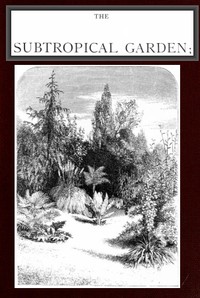
The Subtropical Garden; or, beauty of form in the flower garden.
Written by W. (William) Robinson
Chaptra reads alongside you — AI insights, chapter breakdowns and reader discussions for every book. Join free
About this book
Reading guide
Themes, characters and key ideas in The Subtropical Garden; or, beauty of form in the flower garden., written by Chaptra AI.
- about 8 hours
- intermediate
- instructive
- inspiring
- philosophical
W. Robinson's "The Subtropical Garden" is a seminal late 19th-century gardening guide that champions a revolutionary approach to garden design, prioritizing the aesthetic beauty of plant form and architectural structure over mere color. Robinson critiques the prevailing trend of monotonous, color-centric planting, advocating instead for diversity, thoughtful selection, and harmonious arrangement of larger-leaved, 'subtropical' plants. The book lays out a philosophy that emphasizes natural relationships, grace, and variety, demonstrating how even gardeners in cooler climates can achieve stunning results through intelligent plant choices. Ultimately, it seeks to elevate the aesthetic and intellectual engagement with gardening, transforming gardens into spaces of nuanced beauty and a deeper connection to nature.
“The beauty of form is a deeper and more lasting source of pleasure than the beauty of colour alone.”
Key themes
- The Aesthetic Value of Form Over Color
- This is the central thesis of the book. Robinson argues that the lasting beauty and interest in a garden come from the architectural structure, texture, and shape of plants (their 'form') rather than transient floral colors. He champions foliage, silhouette, and the way plants interact structurally.
- Challenging Horticultural Orthodoxy
- Robinson actively critiques and seeks to dismantle the prevailing gardening practices of his era, particularly the Victorian obsession with formal bedding schemes and the use of 'monotonous masses' of plants. He advocates for a radical shift towards a more naturalistic and diverse approach.
- Connection to Nature and Diversity
- Beyond mere aesthetics, Robinson advocates for a gardening approach that respects and mimics natural relationships. He promotes diversity in plant selection and thoughtful design that reflects the harmonious interactions found in nature, rather than artificial, rigid displays.
Worth discussing
How does Robinson's emphasis on 'form' over 'color' challenge or align with contemporary garden design trends?
Chapter-by-chapter breakdowns, character arcs and the full thematic analysis come with a free account.
Discussions
No one has started one yet
Questions this book opens up
No discussions yet
Be the first to start a discussion about this book!
Sign up to start the discussionReviews
No reviews yet
Be the first to review this book!