
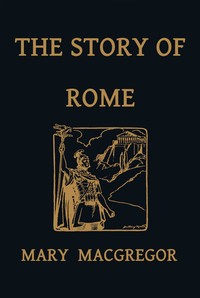
The Story of Rome, From the Earliest Times to the Death of Augustus, Told to Boys and Girls
Written by Mary Macgregor
Chaptra reads alongside you — AI insights, chapter breakdowns and reader discussions for every book. Join free
About this book
Reading guide
Themes, characters and key ideas in The Story of Rome, From the Earliest Times to the Death of Augustus, Told to Boys and Girls, written by Chaptra AI.
- about 8 hours
- intermediate
- epic
- historical
- instructive
Mary MacGregor's "The Story of Rome" offers young readers a comprehensive and engaging historical narrative, tracing Rome's journey from its mythical origins to the establishment of its first empire under Augustus. Written in the early 20th century, the book introduces foundational legends like Aeneas and Romulus and Remus, emphasizing themes of bravery, ambition, and the collective struggle to forge a powerful civilization. It chronicles significant events and figures, presenting a simplified yet vivid account of Rome's evolution through its kings, the Republic, and the tumultuous transition to imperial rule. The work serves as an accessible introduction to classical history, designed to inspire and educate its target audience about the enduring legacy of Rome.
“From such humble beginnings, nurtured by courage and destiny, did Rome, the Eternal City, rise.”
Key themes
- Bravery and Heroism
- The narrative is replete with examples of individual bravery and collective heroism, particularly in military contexts. Roman figures are consistently portrayed as courageous, resilient, and willing to sacrifice for the state. This theme serves to inspire young readers and reinforce idealized Roman virtues.
- Founding Myths and Legends
- The book heavily emphasizes the mythical origins of Rome, from Aeneas's divine destiny to the miraculous story of Romulus and Remus. These legends are presented not merely as stories, but as foundational narratives that instill a sense of divine favor, heroism, and unique destiny in the Roman people, shaping their self-perception and justification for expansion.
- Ambition and Power
- Ambition is a recurring theme, driving individuals like Romulus, Julius Caesar, and Augustus to achieve greatness, often leading to conflict and profound societal change. The book explores how the pursuit of power, both for personal glory and for the expansion of Rome, shaped its history, from the founding conflict between brothers to the civil wars that ended the Republic.
Worth discussing
How do mythical origin stories, like those of Aeneas or Romulus and Remus, influence a nation's identity and values?
Chapter-by-chapter breakdowns, character arcs and the full thematic analysis come with a free account.
Discussions
No one has started one yet
Questions this book opens up
No discussions yet
Be the first to start a discussion about this book!
Sign up to start the discussionReviews
No reviews yet
Be the first to review this book!