
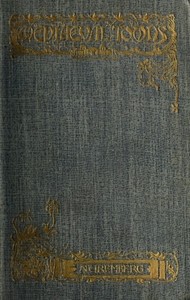
The Story of Nuremberg
Written by Cecil Headlam
Chaptra reads alongside you — AI insights, chapter breakdowns and reader discussions for every book. Join free
About this book
Read it with a club
Small groups reading the same books and talking as they go.


News
- 4 members
- 1,813 discussions
- Active Sep 11
Read The Story of Nuremberg alongside people who are reading it too.
Also here: News Bulletin, Just Joking....
Chaptra Prime — paid clubs, every club feature, and unlimited reading support, for $5 a month or $60 once.
See PrimeReading guide
Themes, characters and key ideas in The Story of Nuremberg, written by Chaptra AI.
- about 8 hours
- intermediate
- Historical
- Descriptive
- Evocative
Cecil Headlam's "The Story of Nuremberg" is a late 19th-century historical account that delves into the rich past of Nuremberg, a pivotal medieval city renowned for its artistic and commercial prowess. The book aims to rekindle readers' appreciation for this historic site, detailing its evolution from an obscure settlement to a vibrant center of culture and trade. Headlam meticulously explores the city's architectural heritage, significant historical figures like Albert Dürer, and its role in various historical events. Through a blend of factual narrative and evocative descriptions, the author seeks to highlight Nuremberg's enduring allure, rooted in its profound historical memories and aesthetic beauty, encouraging readers to visit and experience its legacy firsthand.
“Nuremberg, a city enchanting in its complexity, stands as a testament to the enduring power of historical memory and aesthetic grace.”
Key themes
- Historical Memory and Preservation
- Central to Headlam's purpose, this theme explores how the past is remembered, interpreted, and passed down through generations. The book itself is an act of preservation, aiming to ensure Nuremberg's history and cultural significance are not forgotten but actively appreciated and visited. It highlights the importance of physical monuments and historical narratives in maintaining a connection to the past.
- The Interplay of Art and Commerce
- Headlam consistently demonstrates how Nuremberg's economic prosperity, driven by its astute merchant class and strategic trade position, directly fueled its artistic and cultural flourishing. The theme suggests a symbiotic relationship where wealth provided patronage and a stable environment for artists, while art, in turn, enhanced the city's reputation and prestige.
- Urban Evolution and Transformation
- The book traces Nuremberg's dynamic journey from its obscure origins as a 'humble settlement' to its status as a 'bustling center' and beyond. This theme examines how cities adapt, grow, and change over centuries, influenced by political events, economic shifts, and the contributions of its inhabitants. It highlights the fluidity of urban identity over time.
Worth discussing
How does Headlam's late 19th-century perspective influence his portrayal of Nuremberg, and how might a modern historian approach the same subject differently?
Chapter-by-chapter breakdowns, character arcs and the full thematic analysis come with a free account.
Discussions
No one has started one yet
Questions this book opens up
No discussions yet
Be the first to start a discussion about this book!
Sign up to start the discussionReviews
No reviews yet
Be the first to review this book!