
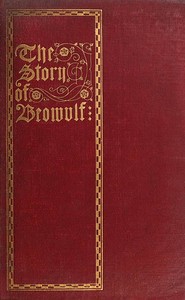
The Story of Beowulf, Translated from Anglo-Saxon into Modern English Prose
Written by Unknown author
Chaptra reads alongside you — AI insights, chapter breakdowns and reader discussions for every book. Join free
About this book
Reading guide
Themes, characters and key ideas in The Story of Beowulf, Translated from Anglo-Saxon into Modern English Prose, written by Chaptra AI.
- about 8 hours
- intermediate
- heroic
- somber
- epic
Beowulf is an Old English epic poem of unknown authorship, chronicling the heroic exploits of its titular Geatish warrior. The narrative unfolds across three major conflicts: Beowulf's journey to Heorot to defeat the monstrous Grendel, his subsequent battle against Grendel's vengeful mother, and finally, his fatal encounter with a dragon in his old age as king of the Geats. More than a tale of monster-slaying, the poem explores profound themes of heroism, loyalty, fate, and the transient nature of human life and power. It stands as a foundational text of English literature, offering a unique window into Anglo-Saxon culture, values, and the interplay between pagan and Christian worldviews.
“Fate often delivers an undoomed man when his courage is good.”
Key themes
- Heroism and Glory (Lofdæd)
- The central theme, exploring what constitutes a hero in Anglo-Saxon society. It encompasses physical prowess, courage, loyalty to one's lord, generosity, and the pursuit of everlasting fame (lofdæd) through noble deeds. Beowulf's journey is a continuous demonstration of these heroic virtues, from his youthful boasts to his final self-sacrifice.
- Fate vs. Free Will (Wyrd)
- The poem constantly grapples with the concept of 'wyrd' (fate or destiny) and its interaction with individual choice and courage. While many events are attributed to fate, Beowulf's actions are often presented as crucial in determining outcomes, suggesting a complex interplay rather than strict determinism. The narrator often invokes divine intervention, further complicating the concept.
- Loyalty and Kinship
- In Anglo-Saxon society, loyalty to one's lord and kinsmen was paramount. The poem highlights the sacred bond between a lord and his retainers, particularly through the relationship between Beowulf and his men, especially Wiglaf. Betrayal is seen as the ultimate sin, leading to shame and the downfall of kingdoms.
Worth discussing
How does Beowulf's heroism evolve throughout the poem, from his youth to his old age? What qualities define his heroism in each phase?
Chapter-by-chapter breakdowns, character arcs and the full thematic analysis come with a free account.
Discussions
No one has started one yet
Questions this book opens up
No discussions yet
Be the first to start a discussion about this book!
Sign up to start the discussionReviews
No reviews yet
Be the first to review this book!