
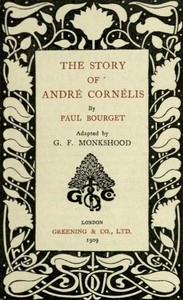
The Story of André Cornélis
Written by Paul Bourget
Chaptra reads alongside you — AI insights, chapter breakdowns and reader discussions for every book. Join free
About this book
Reading guide
Themes, characters and key ideas in The Story of André Cornélis, written by Chaptra AI.
- about 10 hours
- advanced
- dark
- mysterious
- introspective
Paul Bourget's "The Story of André Cornélis" is a profound psychological novel that delves into the aftermath of a traumatic event: the mysterious murder of André Cornélis's father. The narrative follows André's introspective journey as he grapples with loss, resentment, and a desperate need for understanding, using writing as a primary means of confronting his past. The story opens with poignant childhood memories of confession, setting a tone of lost innocence and foreshadowing the deeper psychological burdens André carries. As he navigates complex feelings towards his mother and the man who has replaced his father, the novel explores the powerful interplay between trauma, memory, and the relentless human quest for truth in a world marked by chaos and indifference.
“The past is not merely remembered; it is a confession I must write, a truth I must unearth.”
Key themes
- Trauma and Memory
- The novel deeply explores how past traumatic events, particularly the father's murder and even earlier childhood experiences of shame, profoundly shape André's present psychological state and his quest for meaning. Memory is not merely recollection but an active, often painful, force that dictates his reality.
- The Search for Truth and Justice
- André's primary motivation is to uncover the truth behind his father's mysterious murder. This search extends beyond mere facts to a deeper understanding of the events, the people involved, and the moral implications, ultimately seeking a form of personal justice and closure.
- Loss and Grief
- The novel is steeped in the pervasive emotions of loss and grief, not only for the deceased father but also for a lost sense of innocence and a fractured family unit. André's journey is a prolonged process of mourning and coming to terms with an irreparable void.
Worth discussing
How does André's childhood experience of confession foreshadow his later journey of self-discovery and confrontation with trauma?
Chapter-by-chapter breakdowns, character arcs and the full thematic analysis come with a free account.
Discussions
No one has started one yet
Questions this book opens up
No discussions yet
Be the first to start a discussion about this book!
Sign up to start the discussionReviews
No reviews yet
Be the first to review this book!