
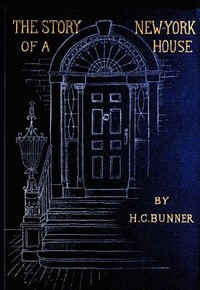
The Story of a New York House
Written by H. C. (Henry Cuyler) Bunner
Chaptra reads alongside you — AI insights, chapter breakdowns and reader discussions for every book. Join free
About this book
Reading guide
Themes, characters and key ideas in The Story of a New York House, written by Chaptra AI.
- about 8 hours
- intermediate
- reflective
- social commentary
- historical
H. C. Bunner's "The Story of a New York House" is a late 19th-century fictional narrative that traces the evolving social landscape of New York City through the lens of the Dolph family, particularly merchant Jacob Dolph. The story centers on Jacob's ambition to build a new house, symbolizing his desire for elevated societal status amidst a changing urban environment. His aspirations are often contrasted with the conservative values of figures like Abram Van Riper, highlighting the tension between tradition and emerging gentility. The novel explores themes of personal ambition, social mobility, and the search for identity, using the house itself as a powerful metaphor for these broader societal shifts and individual journeys.
“"A house, Jacob, is more than brick and mortar; it is a declaration, and sometimes, a burden."”
Key themes
- Social Change and Class
- The novel critically examines the rapid social stratification and shifting class dynamics in late 19th-century New York City. It explores the tension between old money and new money, established mercantile families and the emerging genteel class, and the struggle for social recognition and acceptance.
- Ambition and Identity
- The story delves into the nature of personal ambition, particularly Jacob Dolph's desire to secure a lasting legacy and identity through material success. It questions whether identity is inherent or constructed through external achievements and social standing.
- Tradition vs. Modernity
- A fundamental tension in the narrative is the clash between established traditions and the forces of modernity. This is embodied in the conservative values of Abram Van Riper versus Jacob Dolph's progressive aspirations, reflecting a broader societal debate about progress, heritage, and the future.
Worth discussing
How does Jacob Dolph's ambition to build a new house reflect the broader societal changes occurring in late 19th-century New York?
Chapter-by-chapter breakdowns, character arcs and the full thematic analysis come with a free account.
Discussions
No one has started one yet
Questions this book opens up
No discussions yet
Be the first to start a discussion about this book!
Sign up to start the discussionReviews
No reviews yet
Be the first to review this book!