
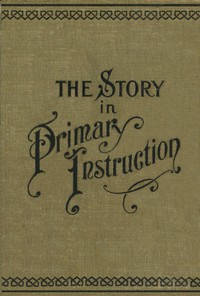
The Story in Primary Instruction: Sixteen Stories and How to Use Them
Written by H. Avis (Hannah Avis) Perdue,Samuel B. (Samuel Buell) Allison
Chaptra reads alongside you — AI insights, chapter breakdowns and reader discussions for every book. Join free
About this book
Reading guide
Themes, characters and key ideas in The Story in Primary Instruction: Sixteen Stories and How to Use Them, written by Chaptra AI.
- about 8 hours
- intermediate
- instructive
- earnest
- progressive
''The Story in Primary Instruction'' by H. Avis Perdue and Samuel B. Allison is an early 20th-century pedagogical guide advocating for the central role of narrative in primary education. The authors argue that stories, particularly folklore and tailored tales, are crucial for fostering language development, comprehension, and ethical understanding in young children, challenging traditional methods focused solely on formal language skills. The book outlines a progressive educational philosophy, emphasizing content that aligns with children's natural interests and imaginative capacities. It provides practical approaches for selecting appropriate stories, integrating them into the curriculum, and leveraging them for moral instruction and various educational activities, ultimately aiming to create a more engaging and purposeful learning environment.
“"The story is not merely a vehicle for language, but the very essence of thought and feeling for the young mind."”
Key themes
- The Power of Narrative in Education
- This is the central theme, arguing that stories are not just tools for entertainment but fundamental to cognitive, linguistic, and moral development. The book posits that narratives engage children's imaginations, build vocabulary, enhance comprehension, and provide a framework for understanding complex ethical concepts in an accessible way.
- Progressive Education and Child-Centered Learning
- The book embodies the principles of the Progressive Education movement, advocating for a shift from teacher-centric, formalistic instruction to methods that prioritize the child's natural interests, developmental stage, and active engagement. It champions learning that is meaningful and resonates with children's imaginative capacities.
- Ethical and Moral Development through Narrative
- A significant aspect of the book's argument is that stories are invaluable for fostering ethical understanding and moral reasoning in children. By presenting characters, conflicts, and resolutions, stories offer a safe space for children to explore virtues, consequences, and empathy, guiding their developing moral compass.
Worth discussing
How do Perdue and Allison's critiques of traditional education resonate with or differ from contemporary debates in education?
Chapter-by-chapter breakdowns, character arcs and the full thematic analysis come with a free account.
Discussions
No one has started one yet
Questions this book opens up
No discussions yet
Be the first to start a discussion about this book!
Sign up to start the discussionReviews
No reviews yet
Be the first to review this book!