
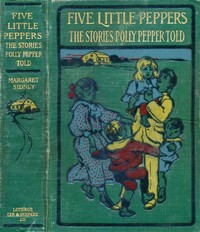
The Stories Polly Pepper Told to the Five Little Peppers in the Little Brown House
Written by Margaret Sidney
Chaptra reads alongside you — AI insights, chapter breakdowns and reader discussions for every book. Join free
About this book
Reading guide
Themes, characters and key ideas in The Stories Polly Pepper Told to the Five Little Peppers in the Little Brown House, written by Chaptra AI.
- about 8 hours
- beginner
- uplifting
- humorous
- heartwarming
Margaret Sidney's "The Stories Polly Pepper Told to the Five Little Peppers in the Little Brown House" is a charming late 19th-century children's book that centers on the imaginative tales spun by Polly Pepper for her younger siblings. Set within their modest 'Little Brown House,' the narrative highlights the power of storytelling to bring joy and adventure into everyday life, especially for the recovering Phronsie. Through Polly's humorous and heartwarming narratives, such as the tale of a brave little white chicken, the book beautifully illustrates the close-knit bonds and innocent dynamics of the Pepper family. It serves as a testament to familial love, resilience, and the boundless world of a child's imagination, establishing a warm and engaging tone for its youthful audience.
“"And so, dear Phronsie, that brave little white chicken…"”
Key themes
- The Power of Imagination and Storytelling
- This is the central theme, exploring how imagination and the act of telling stories can transform reality, provide comfort, entertainment, and escape, especially in challenging circumstances. Polly's tales create a vibrant inner world for her siblings, demonstrating the profound impact of narrative on the human spirit.
- Family Bonds and Love
- The book deeply explores the strength and warmth of familial relationships, particularly among siblings. It showcases the mutual care, support, and affection that bind the Pepper children together, emphasizing the family as a source of comfort, security, and happiness.
- Childhood Innocence and Simplicity
- This theme celebrates the purity, wonder, and uncomplicated joys of childhood. The book portrays a world through the eyes of children, where imagination can transform the mundane and where happiness is found in simple pleasures rather than material wealth, emphasizing a nostalgic view of childhood.
Worth discussing
How does Polly's storytelling affect the mood and atmosphere of the 'Little Brown House'?
Chapter-by-chapter breakdowns, character arcs and the full thematic analysis come with a free account.
Discussions
No one has started one yet
Questions this book opens up
No discussions yet
Be the first to start a discussion about this book!
Sign up to start the discussionReviews
No reviews yet
Be the first to review this book!