
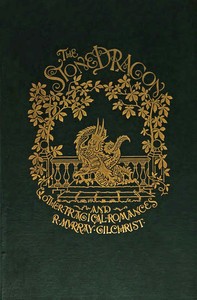
The stone dragon and other tragic romances
Written by Murray Gilchrist
Chaptra reads alongside you — AI insights, chapter breakdowns and reader discussions for every book. Join free
About this book
This work by Gilchrist, Murray offers readers a unique literary experience. The narrative explores themes of short stories, english and fantasy fiction, english.
Reading guide
Themes, characters and key ideas in The stone dragon and other tragic romances, written by Chaptra AI.
- about 8 hours
- intermediate
- dark
- melancholy
- romantic
Murray Gilchrist's "The Stone Dragon and Other Tragic Romances" is a collection of fin-de-siècle short stories, steeped in a melancholic and often supernatural atmosphere. These tales explore the darker facets of love, desire, and fate, frequently culminating in tragic outcomes for their protagonists. Gilchrist masterfully weaves together elements of gothic romance, symbolism, and psychological drama, presenting characters entangled in circumstances beyond their control or driven by destructive passions. The collection reflects the aesthetic and philosophical preoccupations of its era, emphasizing beauty in decay and the inevitability of sorrow, leaving a lasting impression of haunting beauty and profound sadness.
“"Love, in its purest form, often carves the deepest wounds, for what is more fragile than a heart offered without reserve?"”
Key themes
- Love and Loss
- This is the central, overarching theme of the collection. Love is depicted not as a source of joy or redemption, but as a powerful, often destructive force that inevitably leads to heartbreak, separation, or death. It explores the intensity of romantic attachment and the profound grief that accompanies its demise.
- Fate vs. Free Will
- Many stories explore the idea that human actions and desires are ultimately powerless against a predetermined destiny or an indifferent universe. Characters often struggle against their circumstances, only to find their efforts futile, reinforcing a sense of cosmic inevitability.
- Beauty and Decay
- Gilchrist often highlights the transient nature of beauty and its inherent connection to decay and death. There is a morbid aestheticism, where beauty is often found in things that are fading, broken, or associated with sorrow, reflecting the Decadent movement's appreciation for the melancholic and grotesque.
Worth discussing
How does Gilchrist use the 'tragic romance' as a vehicle for exploring deeper philosophical or psychological themes?
Chapter-by-chapter breakdowns, character arcs and the full thematic analysis come with a free account.
Discussions
No one has started one yet
Questions this book opens up
No discussions yet
Be the first to start a discussion about this book!
Sign up to start the discussionReviews
No reviews yet
Be the first to review this book!