
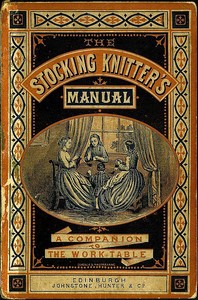
The Stocking-Knitter's Manual: A Handy Book for the Work-Table
Written by George Cupples
Chaptra reads alongside you — AI insights, chapter breakdowns and reader discussions for every book. Join free
About this book
Reading guide
Themes, characters and key ideas in The Stocking-Knitter's Manual: A Handy Book for the Work-Table, written by Chaptra AI.
- about 40 hours
- intermediate
- instructive
- practical
- meticulous
Mrs. George Cupples' "The Stocking-Knitter's Manual" is a late 19th-century instructional guide dedicated to the intricate craft of knitting stockings and socks. Designed for knitters with foundational skills, it systematically details advanced techniques for shaping various garment parts, including legs, heels, and toes, alongside diverse pattern styles for both adult and children's wear. Beyond fundamental instructions, the manual offers practical advice and creative options like open-work patterns, positioning itself as both a comprehensive educational tool and a source of inspiration for refining one's knitting proficiency. It reflects a period when domestic craft was highly valued, aiming to elevate the skill and artistry of home knitters.
“"The foundation of a well-made stocking lies in the precision of its initial stitches."”
Key themes
- Craftsmanship and Precision
- The manual implicitly and explicitly champions a high standard of craftsmanship, emphasizing the importance of precise execution, correct tension, and meticulous shaping to produce durable and aesthetically pleasing garments. It elevates knitting from a simple chore to a skilled art form, where attention to detail directly correlates with the quality and longevity of the finished product.
- Domestic Skill and Self-Sufficiency
- The manual empowers individuals, primarily women in its historical context, with the skills to produce essential clothing items for their households. This fosters a sense of self-sufficiency and contributes to domestic economy, reducing reliance on purchased goods. It highlights the value of practical, home-based skills in managing household needs.
- Patience and Perseverance
- Mastering the complex techniques presented in the manual, especially intricate shaping and pattern work, requires significant patience, dedication, and perseverance. The book implicitly encourages these virtues, recognizing that skill development is an iterative process involving practice, potential mistakes, and repeated effort. It's a subtle lesson in delayed gratification and the reward of diligent work.
Worth discussing
How does a manual like this reflect the values and domestic expectations of the late 19th century?
Chapter-by-chapter breakdowns, character arcs and the full thematic analysis come with a free account.
Discussions
No one has started one yet
Questions this book opens up
No discussions yet
Be the first to start a discussion about this book!
Sign up to start the discussionReviews
No reviews yet
Be the first to review this book!