
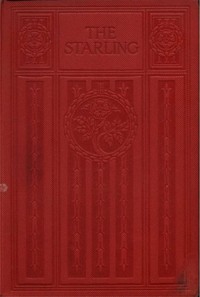
The Starling: A Scottish Story
Written by Norman Macleod
Chaptra reads alongside you — AI insights, chapter breakdowns and reader discussions for every book. Join free
About this book
Reading guide
Themes, characters and key ideas in The Starling: A Scottish Story, written by Chaptra AI.
- about 8 hours
- intermediate
- thought-provoking
- reflective
- moral
Norman Macleod's "The Starling: A Scottish Story" delves into the life of Sergeant Adam Mercer, a former poacher who has found redemption and respect as a Church elder in the Scottish village of Drumsylie. The narrative explores Adam's ongoing struggle with his past actions and the community's perception, particularly through his poignant attachment to a trained starling that symbolizes his lost son. As Adam's deeply held moral principles clash with the rigid doctrines espoused by the local minister, Mr. Porteous, the story unfolds as a compelling examination of faith, forgiveness, and the intricate dynamics of a close-knit society. Ultimately, it is a tale of a man striving to live authentically and ethically, even as his history and present convictions are constantly scrutinized.
“A man's past is like a shadow; it follows him, even into the brightest sun of redemption.”
Key themes
- Redemption and Forgiveness
- This central theme explores the possibility of moral transformation and the process of being forgiven, both by oneself and by one's community. Adam Mercer's journey from poacher to respected elder is the embodiment of this theme, challenging the idea that past mistakes permanently define a person. The novel delves into the nuances of what true redemption entails, moving beyond mere outward conformity to genuine inner change and compassionate living.
- Community Dynamics and Reputation
- The novel meticulously portrays the intricate social fabric of a small Scottish village, highlighting how individual actions are scrutinized and how reputation, once established, is difficult to alter. It examines the power of gossip, communal memory, and collective judgment in shaping an individual's place within society. The tension between public perception and private character is a recurring element.
- Moral Responsibility vs. Dogmatic Rigidity
- This theme explores the conflict between a deeply felt personal moral compass, often guided by compassion and understanding, and the rigid adherence to religious doctrine or societal rules. Adam Mercer embodies the former, while Mr. Porteous represents the latter. The novel questions whether true morality lies in strict adherence to rules or in a more empathetic, context-sensitive application of principles.
Worth discussing
How does Adam Mercer's past as a poacher shape his identity and the community's perception of him throughout the novel?
Chapter-by-chapter breakdowns, character arcs and the full thematic analysis come with a free account.
Discussions
No one has started one yet
Questions this book opens up
No discussions yet
Be the first to start a discussion about this book!
Sign up to start the discussionReviews
No reviews yet
Be the first to review this book!