
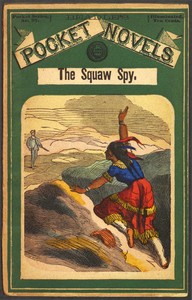
The squaw spy; or the rangers of the lava-beds
Written by T. C. (Thomas Chalmers) Harbaugh
Chaptra reads alongside you — AI insights, chapter breakdowns and reader discussions for every book. Join free
About this book
Reading guide
Themes, characters and key ideas in The squaw spy; or the rangers of the lava-beds, written by Chaptra AI.
- about 8 hours
- intermediate
- intense
- tense
- historical
T. C. Harbaugh's "The Squaw Spy; or The Rangers of the Lava-Beds" is a late 19th-century historical novel deeply entrenched in the Modoc War. It chronicles the perilous efforts of U.S. forces, led by the astute scout Kit South and General Gillem, to capture the elusive Modoc chief Captain Jack. Central to their strategy is Artena, a courageous Modoc girl who acts as a crucial spy, navigating the dangerous lines between her people and the U.S. military. The narrative plunges readers into a world of intense conflict, exploring profound themes of loyalty, betrayal, and the harsh realities of warfare. As a desperate kidnapping plot unfolds and an unknown spy is detected, the story builds a gripping atmosphere of escalating tension and moral ambiguity amidst the wilderness.
“"In the desolate aftermath of the skirmish, the lava-beds held their breath, a silent witness to the Modoc's defiance and our own grim resolve."”
Key themes
- Conflict and Warfare
- The Modoc War forms the very foundation of the novel, exploring the brutal realities of armed conflict, the strategic maneuvers of both sides, and the devastating impact on individuals and communities. It delves into the tactics, losses, and psychological toll of prolonged warfare in a harsh environment.
- Loyalty and Betrayal
- This theme is central to the narrative, explored through Artena's conflicted role as a Modoc spy for the U.S. forces, and further intensified by the discovery of an unknown spy operating within the U.S. camp. It examines the complexities of allegiance, the personal sacrifices demanded by loyalty, and the devastating consequences of treachery in wartime.
- Cultural Clash and Identity
- The novel inherently explores the clash between Native American and U.S. cultures during the Modoc War. It touches upon the struggle for land, sovereignty, and survival from both perspectives, particularly through characters like Artena, who embodies a liminal identity, and Captain Jack, who represents indigenous resistance.
Worth discussing
How does Harbaugh portray the Modoc War, and what biases of the late 19th century might be evident in this portrayal?
Chapter-by-chapter breakdowns, character arcs and the full thematic analysis come with a free account.
Discussions
No one has started one yet
Questions this book opens up
No discussions yet
Be the first to start a discussion about this book!
Sign up to start the discussionReviews
No reviews yet
Be the first to review this book!